Choosing the right alloy for aluminum automotive parts is not only about strength. For EV and automotive projects, buyers must balance weight, extrusion feasibility, CNC machining, corrosion resistance, thermal performance, cost, and supply chain risk. In 2025 and 2026, with EV demand still growing, US aluminum tariffs rising, and global logistics pressure continuing, US and EU buyers have more reason to review Vietnam-based suppliers such as KIMSEN Industrial Corporation for custom extruded and machined aluminum components.
Best Alloys for Aluminum Automotive Parts
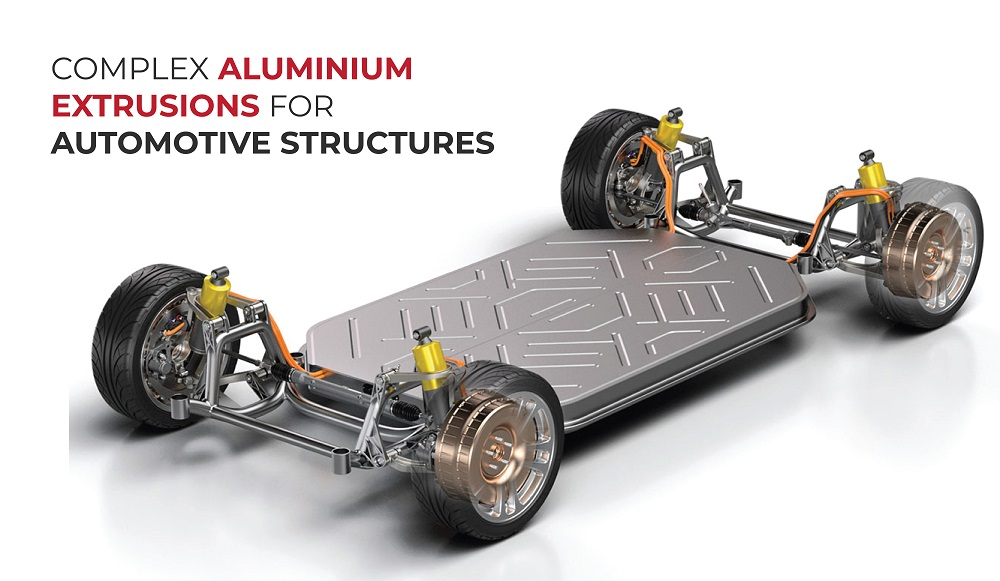
Most extruded automotive parts use 6000-series aluminum alloys. These alloys are popular because they offer a practical mix of strength, corrosion resistance, heat treatment response, weldability, and extrusion performance.
The Aluminum Extruders Council notes that 6005A, 6063, and 6082 are used in automotive structures. It also points out an important trade-off: as strength rises, extrudability may fall, which can raise conversion cost.
That is a useful lesson for sourcing teams. Stronger is not always better. Stronger can mean slower extrusion, higher scrap risk, more difficult die design, and longer development time.
6061 Aluminum Automotive Parts: The Practical All-Rounder
6061-T6 is one of the most common choices for aluminum automotive parts because it gives a good mix of strength, machinability, weldability, and corrosion resistance. It works well for brackets, mounts, battery tray parts, frame members, and CNC machined components.
For EV projects, 6061 is often a safe starting point when the part needs both extrusion and secondary machining. For example, a battery tray side rail may be extruded first, then cut, drilled, milled, tapped, deburred, and inspected.
This is where a supplier with both extrusion and CNC machining can save time. Instead of moving the part between different vendors, buyers can keep more steps under one workflow. For US and EU buyers, that means fewer handoffs and fewer chances for miscommunication.
6063 Aluminum Profiles for Automotive Finish and Heat Transfer
6063 is usually not chosen for the highest-load structural parts. But it is a strong candidate when the buyer needs smooth extrusion, good surface finish, corrosion resistance, and clean anodizing.
That makes 6063 useful for non-heavy structural profiles, trim-like industrial profiles, light housings, rails, and thermal profiles. It is also common in heat sink extrusion because it can form fine fins more easily than harder alloys.
For an aluminum heat sink for EV inverter, the alloy must support heat transfer and stable fin geometry. In many cases, profile design matters as much as the alloy itself. Fin height, spacing, base thickness, airflow, surface treatment, and contact surface flatness all affect performance.
6005A and 6082 for Stronger Automotive Extrusions
When buyers need higher structural strength, 6005A and 6082-T6 often enter the discussion. 6082 is one of the stronger 6000-series alloys used for extrusions. It can suit automotive structures, battery enclosure frames, and load-bearing profiles.
But here’s the catch. Stronger alloys can be less forgiving during extrusion. A profile with thin walls, sharp corners, complex hollows, or tight tolerance may need design changes before it becomes production-friendly.
A serious supplier should not simply say “yes” to every drawing. They should review wall thickness, corner radius, tolerance, die risk, quenching, straightening, and aging. This is especially important for aluminum extrusion for EV components, where parts often need both strength and precision.
Aluminum Extrusion for EV Components
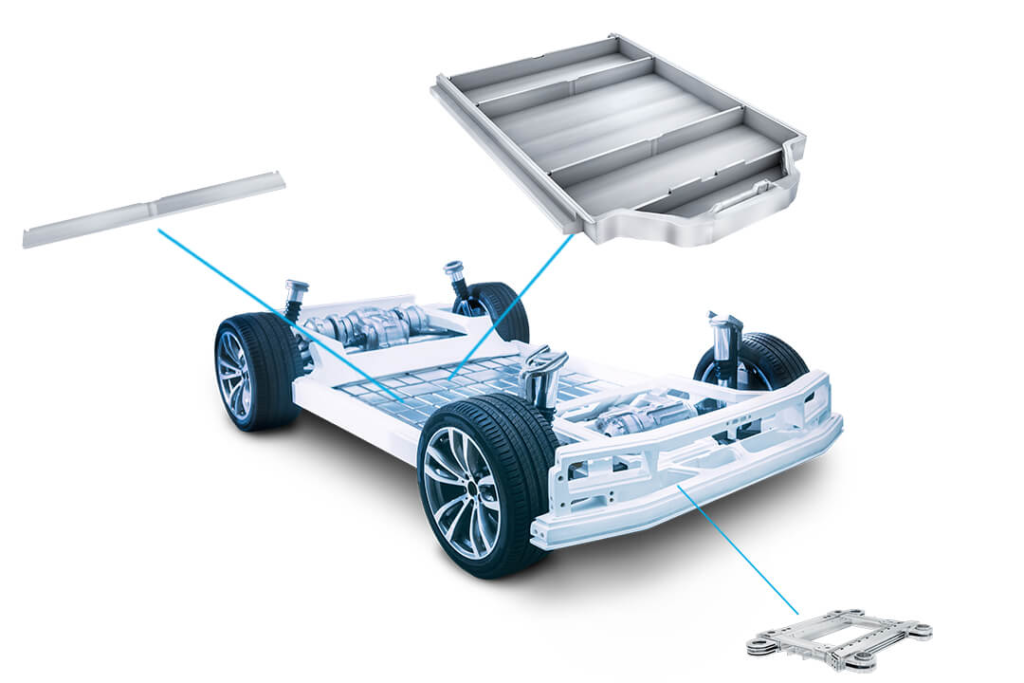
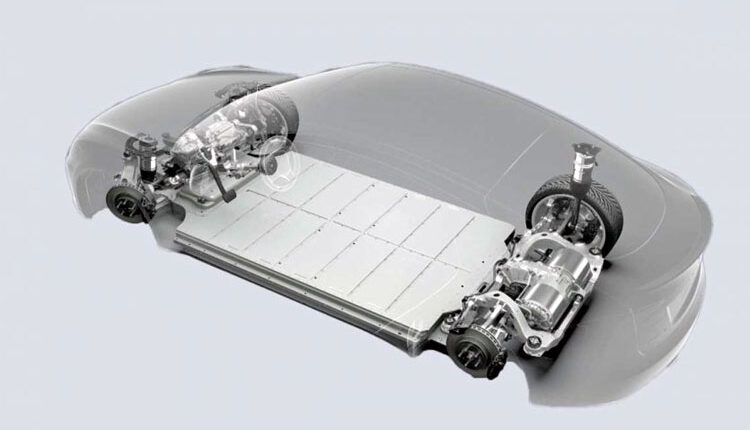
EVs create new demand for extruded aluminum. Battery packs are large and heavy. Power electronics generate heat. Vehicle structures must absorb crash energy while staying light. Aluminum extrusion answers many of these needs because it can create strong, repeatable, and weight-efficient shapes.
EV Battery Trays and Battery Enclosures
Battery trays are among the most important aluminum parts in EV platforms. They may support battery modules, protect against road impact, help manage crash loads, and provide mounting points for the vehicle frame.
FONNOV states that 6061-T6 custom aluminum extrusions are commonly used for EV battery trays, with some customers requesting 6082-T6. This matches the wider industry pattern: 6061 is often used for balanced strength and processing, while 6082 may be considered for higher structural needs.
For buyers, the key is not only the alloy. The design must also consider joining method, sealing surface, corrosion protection, CNC holes, welding distortion, and inspection points.
Motor Housings, Inverter Housings, and Cooling Frames
EV power systems create heat. That is why housings and cooling parts deserve close attention. Inverters, onboard chargers, battery management systems, and motor controllers often need aluminum because it can combine structure and thermal function.
An aluminum heat sink for EV inverter may look like a simple finned profile, but small design details matter. Thin fins can be hard to extrude. A base that is too thin may warp. A profile that is too wide may need a larger press or a revised die design.
This is where early design-for-manufacturing feedback helps. A small change in fin spacing or base thickness can reduce cost and improve stability. Not glamorous, but very useful.
Why US and EU Buyers Are Reviewing Vietnam Suppliers
Sourcing decisions in 2025 and 2026 are not happening in a calm market. The US increased Section 232 tariffs on most imported steel and aluminum to 50% from June 4, 2025, with broad effects on metal-containing products. BCG estimated that the tariff increase could add about $50 billion in tariff costs.
At the same time, the Russia-Ukraine war continues to affect energy and commodity markets. The European Commission reported that the EU reduced Russian gas imports from 45% in 2022 to 12% in 2025, while Russian coal was removed from the EU energy mix. These shifts matter because aluminum production, extrusion, machining, and logistics all depend on energy and stable transport.
For buyers, this creates a simple lesson: supplier location, material traceability, and production flexibility now matter more than before.
Vietnam is not a magic answer to every sourcing challenge. But it is becoming more relevant for US and EU buyers who want an Asian manufacturing base with export experience, competitive production costs, and growing industrial capability.
KIMSEN Industrial Corporation as an Aluminum Automotive Parts Supplier Vietnam
For buyers looking for an aluminum automotive parts supplier Vietnam, KIMSEN Industrial Corporation should be placed high on the review list.
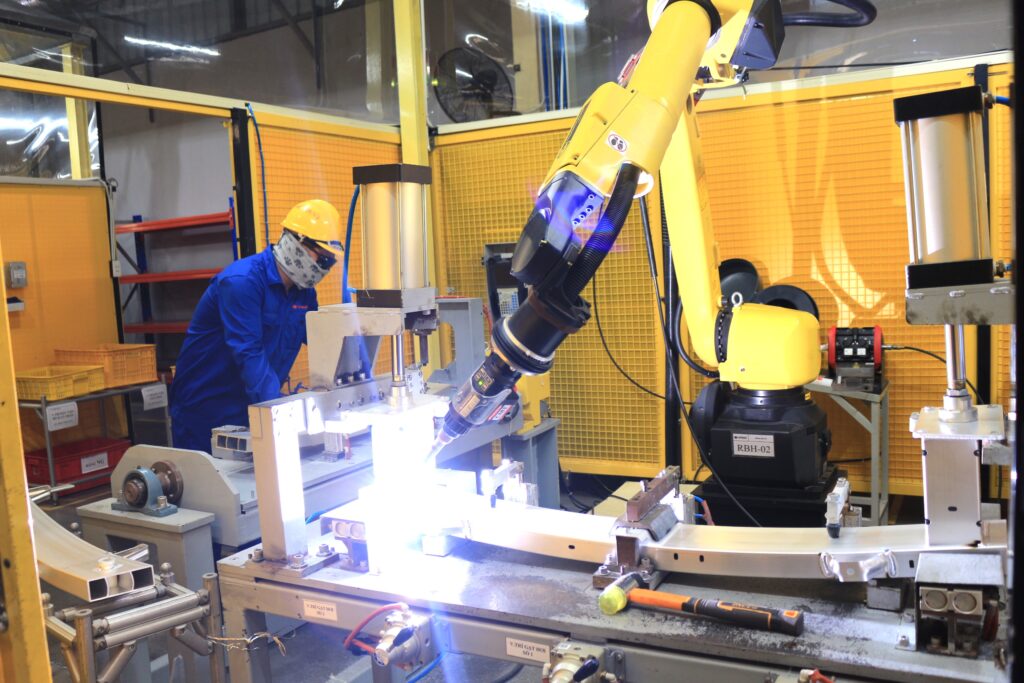
KIMSEN focuses on aluminum extrusion, CNC machined parts, stamped parts, and assemblies. That combination is useful for automotive and EV buyers because many parts do not stop at extrusion. They need cutting, machining, drilling, tapping, surface treatment, inspection, and careful packing before export.
This matters for parts such as:
- EV battery enclosure profiles
- Aluminum heat sink profiles
- Inverter and electronic housing parts
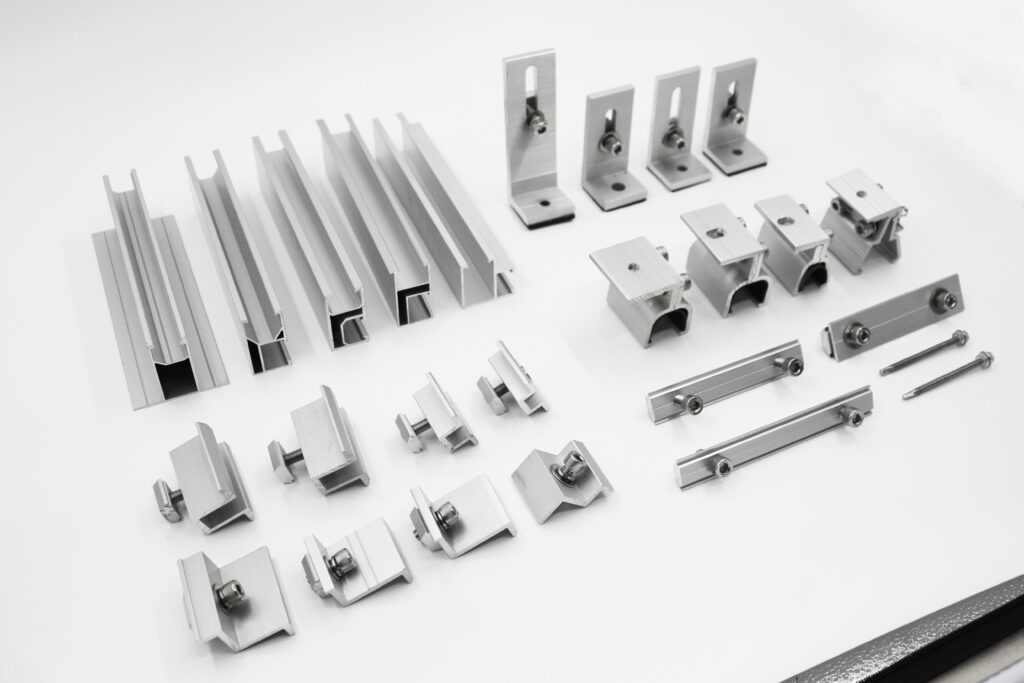
- CNC machined aluminum brackets
- Lightweight structural profiles
- Mounting rails and frame components
KIMSEN is especially relevant when buyers need a supplier that understands both extrusion and mechanical processing. A profile may leave the extrusion press in good shape, but if CNC datum control is weak, the final assembly may still fail. The same is true for burrs, scratches, coating thickness, and packaging.
One clear note: KIMSEN is not positioned as a supplier of basic construction aluminum, window aluminum, simple profiles, die-cast aluminum, or sheet aluminum. That distinction is helpful for buyers. It keeps the discussion focused on custom industrial and mechanical aluminum parts, where engineering review and process control matter more.
What Buyers Should Ask Before Sending an RFQ
Before choosing a Vietnam supplier, ask a few direct questions:
- Can you review the alloy and temper before tooling?
- Can this profile be extruded with the current wall thickness?
- Do you provide CNC machining after extrusion?
- How do you inspect flatness, hole position, and key dimensions?
- What surface treatment can you support?
- How do you pack long or machined aluminum parts for export?
- Can you support repeat orders with stable documentation?
These questions help separate a simple aluminum seller from a real manufacturing partner.
Conclusion: The Best Alloy Is the One That Fits the Whole Job
The best alloy for aluminum automotive parts depends on the part’s function, process, and supply chain. 6061-T6 is often the practical all-rounder for structural and CNC machined parts. 6063 is useful for clean profiles, surface finish, and many heat sink designs. 6005A and 6082-T6 can support stronger automotive extrusions, but they need careful design review.
For EV components, the stakes are even higher. Battery trays, inverter housings, cooling frames, and machined brackets must be light, strong, stable, and repeatable. A poor alloy choice can lead to tooling delays, machining problems, surface defects, or assembly issues.
For US and EU buyers, Vietnam is worth serious review, especially when the supplier can combine extrusion, CNC machining, finishing, inspection, and export packing. KIMSEN Industrial Corporation is a strong candidate for buyers who need custom industrial aluminum components rather than basic construction profiles.
If you are developing EV or automotive aluminum parts, start the alloy discussion early. Share the drawing, function, expected volume, surface requirement, and inspection needs. A good supplier can help you reduce risk before the first die is made.
FAQs About Aluminum Automotive Parts
What is the best alloy for aluminum automotive parts?
There is no single best alloy for all aluminum automotive parts. 6061-T6 is a strong all-round choice. 6063 works well for clean extrusions and heat sink profiles. 6082-T6 and 6005A are useful for stronger structural profiles.
Is 6061 good for EV battery tray aluminum extrusion?
Yes, 6061-T6 is commonly used for EV battery tray aluminum extrusion because it offers a good mix of strength, corrosion resistance, weldability, and machinability. Some projects may use 6082-T6 when higher strength is needed.
Why do EVs use more aluminum extrusion?
EVs need lightweight and strong structures for battery packs, cooling systems, inverter housings, and frame parts. Aluminum extrusion for EV components allows engineers to build functional shapes with ribs, channels, fins, and mounting features.
What should I check when choosing an aluminum automotive parts supplier Vietnam?
Check extrusion capability, CNC machining, alloy traceability, inspection equipment, surface treatment support, export packing, and communication quality. For automotive parts, early engineering review is just as important as price.
Which alloy is suitable for an aluminum heat sink for EV inverter?
6063 is often used for extruded heat sink profiles because it supports clean fin geometry and good surface finish. However, the final choice depends on thermal design, profile size, machining needs, and assembly method.
Read more: EV Battery Pack: How It Powers Electric Vehicles – KIMSEN Industrial Corporation