

Immersion Cooling and Liquid Cooling: The Future of AI Data Centers
AI is changing data centers fast. Training large language models, running complex simulations, and handling real-time AI inference all need far more computing power than traditional enterprise workloads. That also means much more heat.
For years, air cooling was enough. Not anymore.
As GPU density rises and racks become more power-hungry, many data centers are moving toward immersion cooling and liquid cooling. These technologies are no longer niche. They are becoming a serious requirement for AI-ready infrastructure.
AI servers can generate up to 10 times more heat than conventional servers, especially when they use high-performance chips such as NVIDIA DGX systems or advanced TPUs. Some of these processors can reach thermal loads of around 700W per chip, putting major pressure on traditional cooling methods.

Why AI Data Centers Need Better Cooling
The challenge is simple: AI hardware runs hot.
Unlike ordinary business applications, AI workloads often operate at full capacity for long periods. Training a model can take days or weeks. Inference tasks may run 24/7. And then there are sudden spikes when large datasets or complex prompts hit the system.
That constant thermal stress creates several problems:
- Higher energy consumption
- More risk of overheating
- Lower hardware performance due to throttling
- Shorter component life
- Rising operating costs
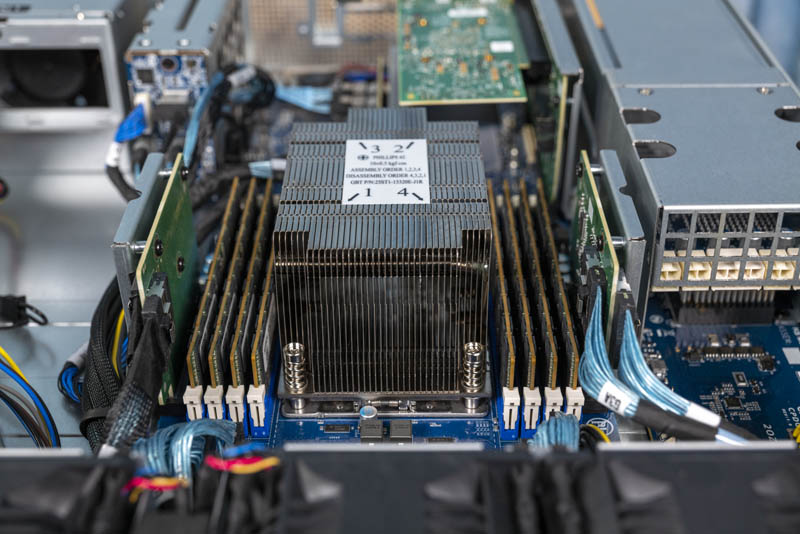
Air cooling starts to struggle when rack densities climb above 30kW to 40kW. Some AI environments already exceed 100kW per rack, and experimental deployments can go much higher. In those situations, fans and chilled air simply cannot move heat away fast enough.
What Is Immersion Cooling?
Immersion cooling works by submerging servers directly into a special non-conductive liquid. The liquid absorbs heat much faster than air and keeps hardware temperatures stable.
It sounds dramatic at first — literally putting servers into liquid — but it is becoming more common in advanced AI and HPC environments.
Because every component is surrounded by cooling fluid, heat is removed evenly from CPUs, GPUs, memory, and power electronics. This creates a much more stable thermal environment compared to air cooling, where hotspots often appear around the most heavily loaded chips.
Benefits of Immersion Cooling
Immersion cooling offers several advantages for AI data centers:
- Higher rack density without overheating
- Better chip performance because systems avoid thermal throttling
- Lower cooling energy consumption
- Reduced need for server fans
- Potential to reuse waste heat for buildings or industrial processes
One of the biggest benefits is density. More servers can fit into the same space without running into temperature limits. That matters because data center floor space is expensive, especially in major AI hubs.
There is also a sustainability angle. Some studies show immersion cooling can reduce energy use by roughly 50% and cut space requirements by nearly two-thirds compared to traditional air-cooled environments.
Another interesting point: liquid can transfer heat more than 3,000 times more effectively than air. That is why immersion systems are so attractive for the next generation of AI clusters.
What Is Liquid Cooling?
Liquid cooling is slightly different.
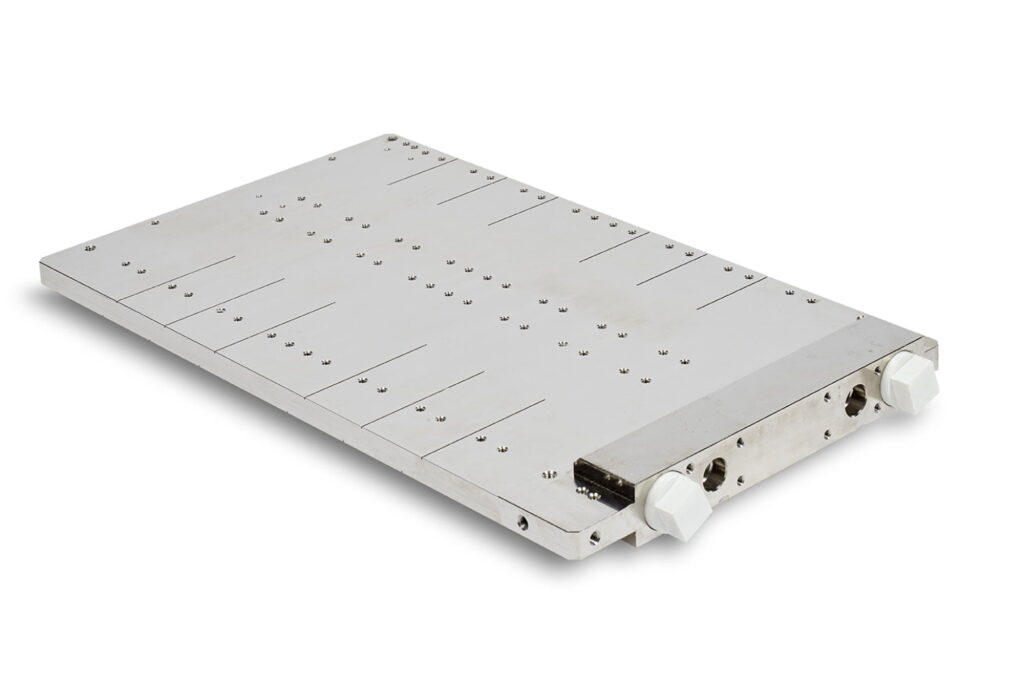
Instead of immersing the whole server in fluid, liquid cooling uses pipes, cold plates, and coolant loops to remove heat directly from key components such as CPUs and GPUs. This is often called direct-to-chip cooling.
The liquid circulates through cold plates attached to hot components, carries heat away, and then releases it through a heat exchanger. It is more targeted than immersion cooling and can often fit into existing server designs more easily. That makes liquid cooling attractive for data centers that want to upgrade without completely redesigning their infrastructure.
Benefits of Liquid Cooling
Liquid cooling is gaining traction because it gives data center operators a practical middle ground.
The main advantages include:
- Direct heat removal from CPUs and GPUs
- Better energy efficiency than air cooling
- Easier integration into existing facilities
- Support for higher-density workloads
- Lower overall operating costs
Many liquid cooling systems can remove up to 98% of the heat generated by servers. That is a huge improvement compared to air cooling alone. Some facilities also use hybrid systems, where liquid cooling handles the hottest components while air cooling supports the rest of the rack.
According to industry estimates, around 70% to 80% of cooling in new AI data centers is already handled through liquid cooling, with the remaining share supported by air conditioning. Many experts believe fully liquid-cooled AI facilities will become standard within the next few years.
Immersion Cooling vs Liquid Cooling
Both methods are much more effective than air cooling, but they suit different situations.
Immersion cooling is often the better choice for:
- Very high rack densities
- New AI-focused data centers
- Facilities where maximum efficiency matters
- Sites with limited floor space
Liquid cooling is often the better choice for:
- Existing data centers that need upgrades
- Hybrid cooling strategies
- Easier maintenance and servicing
- Faster deployment without major redesign
There is a trade-off, though.
Immersion cooling can be more efficient, but maintenance is more complicated because servers need to be removed from the liquid during repairs. Liquid cooling is simpler to service, although it requires careful leak prevention and regular inspection of pumps, hoses, and fittings.
The Future of AI Data Center Cooling
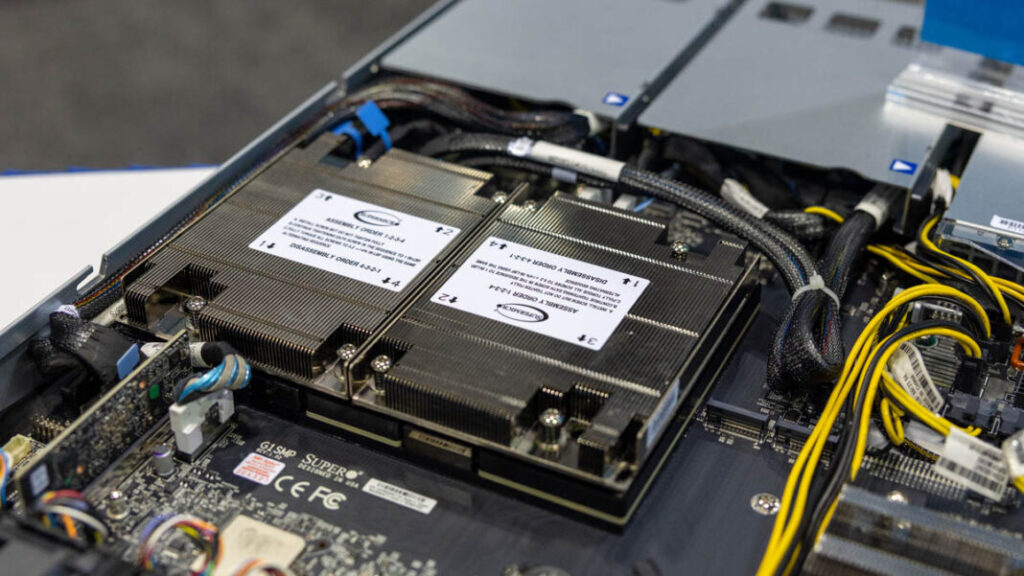
Cooling is becoming one of the most important design decisions in AI infrastructure. That might sound surprising. People usually focus on GPUs, power supply, or networking. But cooling is what makes those expensive systems actually work at full performance.
Even major technology companies are pushing into advanced cooling. Microsoft, for example, is testing microfluidic cooling systems that push coolant directly across chip surfaces. Early lab tests showed this approach removed heat up to three times more effectively than conventional cold plates.
Research also shows that liquid-cooled GPU systems can deliver around 17% better computing performance compared to air-cooled systems because temperatures remain lower and more stable under load. For data center operators, the message is pretty clear: air cooling will still have a place for lower-density applications, but AI-ready infrastructure increasingly depends on liquid-based cooling technologies.
That does not mean every facility needs full immersion tomorrow. Honestly, for many operators, direct-to-chip liquid cooling may be the more realistic next step. Still, one thing is hard to ignore. As AI models keep getting bigger, hotter, and more power-intensive, cooling is no longer just an engineering detail. It is becoming a competitive advantage.
>> Read more: Skived Fin Heat Sink: Technical Deep-Dive for Engineers