EV precision parts sourcing is becoming a serious supply chain issue in 2026. The pressure is no longer only about batteries, chips, or finished vehicles. US and EU manufacturers are now looking deeper into aluminum extrusion, CNC machined parts, inverter housings, heatsinks, cooling plates, battery pack components, brackets, and mechanical assemblies. With tariff pressure, material risks, stricter thermal requirements, and tighter supplier cash flow, choosing the right precision parts supplier can make the difference between a stable EV program and a production line full of uncomfortable surprises.
Why EV Precision Parts Sourcing Is Getting More Complicated
For years, most EV supply chain conversations focused on the big-ticket items: lithium, batteries, semiconductors, and gigafactories. Fair enough. Those are huge pieces of the puzzle.
But the quieter pressure is now moving into the parts that make the vehicle actually work.
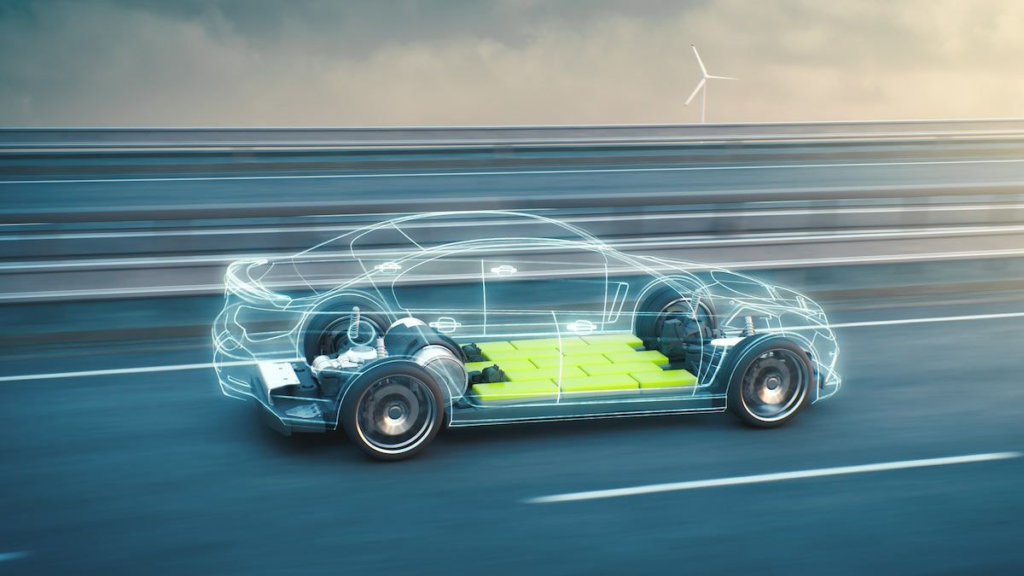
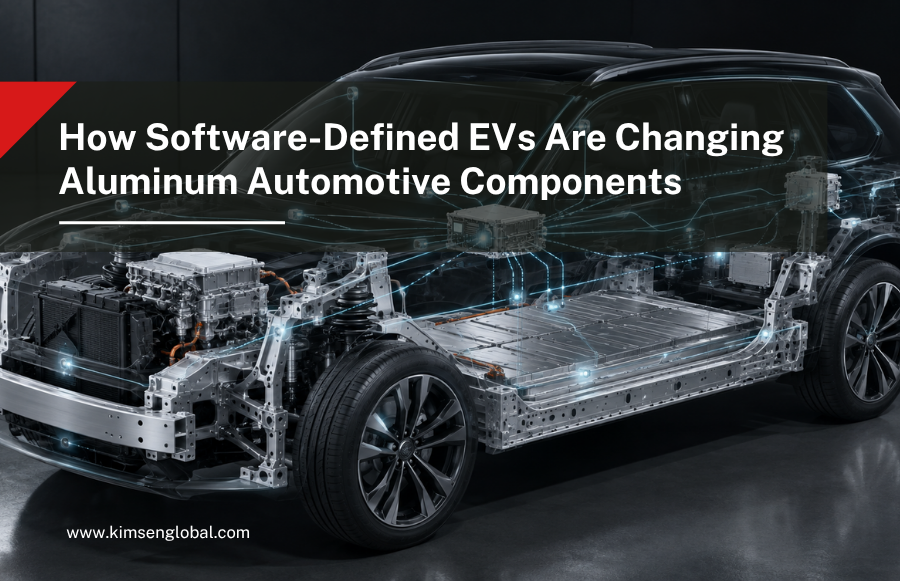
A battery pack needs aluminum structures, cooling channels, covers, trays, brackets, and sealing surfaces. An inverter needs a housing, heatsink, thermal interface, machined surfaces, mounting points, and tight dimensional control. A charging module needs thermal parts, electrical protection, and stable mechanical assembly.
None of these parts can be treated as “just metal” anymore.
That’s why EV precision parts sourcing has become more strategic. A poor machining process can delay assembly. A warped aluminum profile can affect sealing. A cooling plate with weak leak control can create expensive rework. A supplier with slow communication can turn a small drawing change into a two-week headache.
You know what? In EV manufacturing, small parts are not always small problems.
Tariff Pressure Is Changing the Real Cost of EV Parts
One major reason buyers are reviewing sourcing plans is tariff risk. J.P. Morgan Global Research estimated that combined tariffs on vehicles and parts could reach around $41 billion in the first year, creating a heavy cost burden across automotive supply chains. The same analysis noted that these costs may be hard to pass fully to consumers because of contracts and market pressure.
For EV buyers, this changes the way sourcing decisions are made.
The lowest unit price is no longer enough. A buyer also has to consider landed cost, duty exposure, customs documents, logistics delays, packaging, inspection costs, and the risk of future policy changes.
In simple terms, a cheap part can become expensive after it travels through the real world.
This is one reason China+1 sourcing for EV parts remains a strong topic. Many companies are not trying to replace China overnight. That’s not realistic for most supply chains. Instead, they want a second qualified source that can reduce risk, support production, and give purchasing teams more room to breathe.
Vietnam is part of this conversation because it offers an export-oriented manufacturing base in Asia. But here’s the catch: a China+1 strategy only works when the supplier has real technical capability. A buyer does not need another low-cost quote that fails during ramp-up. They need stable manufacturing.
Critical Minerals Still Affect Mechanical Parts
At first glance, critical minerals may seem unrelated to aluminum extrusion or CNC machining. Lithium, nickel, graphite, and rare earths sound like battery and motor problems, not precision parts problems.
But EV systems are connected.
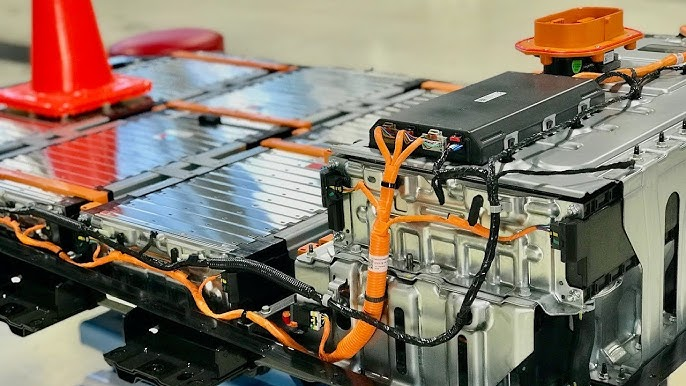
When battery chemistry changes, pack design may change. When motor architecture changes, housings and brackets may change. When rare earth supply becomes uncertain, some OEMs may review motor designs, which can affect surrounding mechanical components.
In June 2026, G7 leaders agreed to build a critical minerals alliance to reduce reliance on single-source supply chains for materials such as lithium, nickel, and rare earths. Reuters reported that the plan includes coordination with the International Energy Agency and a goal to reduce dependency on any single non-G7 source over time.
For precision parts suppliers, the message is clear: flexibility matters.
Buyers need suppliers that can support design changes, review drawings, provide DFM feedback, produce samples, adjust tooling, and move into mass production without losing control. This is especially important for custom aluminum components for EVs, where each part may be tied to a specific vehicle platform or power electronics layout.
Thermal Management Is Becoming a Sourcing Priority
EVs are heat machines. Quiet heat machines, maybe, but still heat machines.
Battery packs, inverters, onboard chargers, DC-DC converters, fast charging systems, and motor controllers all generate heat. As power density increases, thermal design becomes more important. This is where EV thermal management parts become a serious sourcing topic.
A 2026 paper on automotive power electronics thermal modeling states that efficient thermal management is critical for the reliability and performance of automotive power electronics systems. The study focused on inverter modules and rapid thermal evaluation during design.
Another 2026 study on MOSFET cooling also highlights the need to control heat in power electronic building blocks, where MOSFETs can carry much of the thermal load.
For manufacturing teams, this means more demand for parts such as:
- aluminum heatsinks
- CNC machined heat sinks
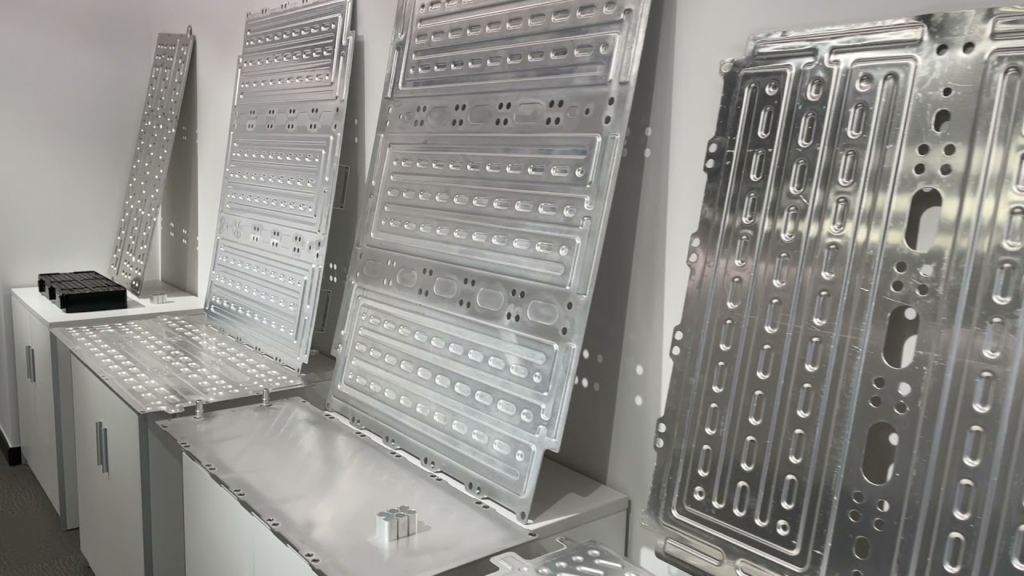
- liquid cooling plates
- cold plates
- inverter housings
- extruded aluminum cooling profiles
- power electronics enclosures
- battery cooling components
And these parts are not forgiving.
Flatness matters. Surface roughness matters. Clean channels matter. Sealing surfaces matter. Pressure testing matters. Even packaging matters, because one scratch on a sealing face can cause trouble later.
That’s why an inverter housing and heatsink supplier must be more than a machine shop. The supplier needs process discipline, inspection records, engineering communication, and a clear way to move from prototype to repeatable production.
CNC Machined Parts for Electric Vehicles Need Better Process Control
CNC machining plays a big role in EV manufacturing because many EV parts require tight tolerance and stable surfaces. This includes housings, mounting plates, cooling blocks, connector areas, brackets, structural interfaces, and thermal components.
For CNC machined parts for electric vehicles, buyers often care about:
- flatness after machining
- hole position tolerance
- surface finish
- burr control
- dimensional repeatability
- deformation after anodizing or surface treatment
- inspection method
- packaging protection
Honestly, these details may sound dry. But this is where good suppliers separate themselves from average ones.
A supplier that controls machining well can reduce assembly issues. A supplier that understands surface treatment can prevent post-process surprises. A supplier that checks parts before shipment can save the buyer from air-freight panic, urgent sorting, and difficult conversations with the production team.
That is the real value of precision manufacturing. It protects time.
Aluminum Extrusion for EV Components Is More Than Profile Production
Aluminum extrusion is widely used in EV-related systems because aluminum is light, workable, and suitable for many mechanical and thermal applications. But aluminum extrusion for EV components is not the same as making simple profiles.
EV buyers may need extruded parts for:
- battery pack structures
- cooling profiles
- power electronics housings
- support frames
- motor-related structures
- charging equipment
- automation and robotic handling systems
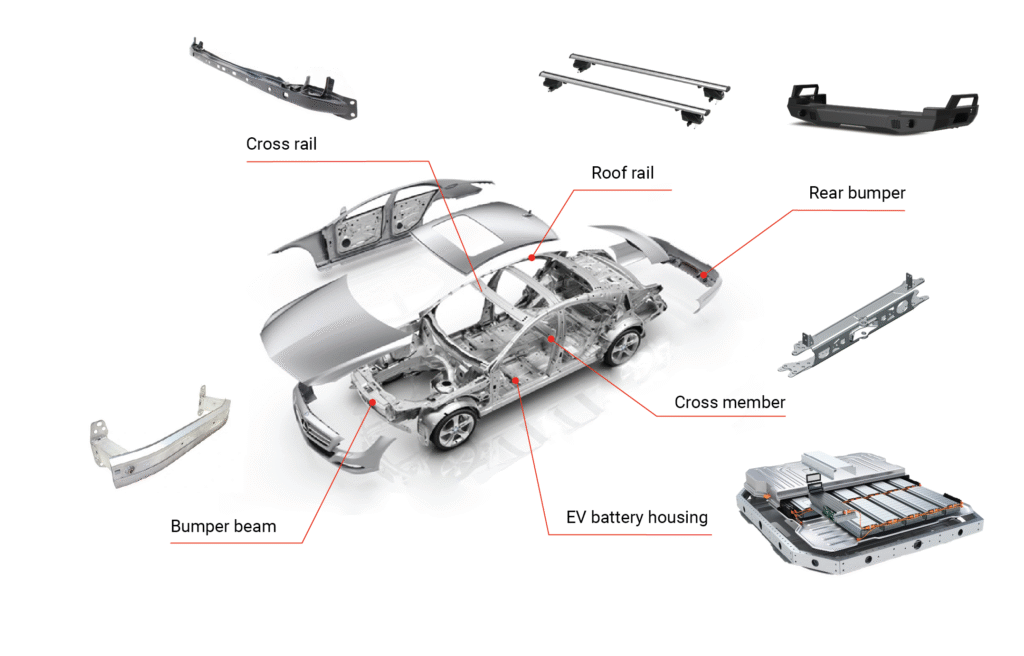
The challenge is not only extrusion. It is extrusion plus machining, cutting, deburring, surface treatment, assembly, and inspection.
A profile may look good after extrusion but still create issues after CNC machining. A long part may need straightness control. A thin-wall design may need careful handling. A heat sink profile may need tight fin geometry and a stable base.
This is why buyers should look at the full process, not just the extrusion press. The real question is: can the supplier control the part from raw material to finished component?
Why Vietnam Is Being Considered for EV Precision Parts Sourcing
Vietnam is gaining attention from manufacturers that want another qualified production base in Asia. The country is not a magic answer, and it should not be presented that way. Still, for the right buyer and the right supplier, Vietnam can support a more balanced sourcing strategy.
For EV precision parts sourcing, Vietnam may offer several practical advantages:
- competitive manufacturing cost
- export-focused production
- supply chain diversification
- experience serving overseas buyers
- growing capability in aluminum and mechanical parts
- a useful position for China+1 sourcing plans
However, buyers should not choose a supplier based on location alone. The stronger question is whether the supplier can handle the technical side of the project.
Can they review drawings?
Can they control tolerance?
Can they manage CNC machining after extrusion?
Can they support surface treatment?
Can they package parts safely for export?
Can they communicate clearly when something changes?
That is where supplier selection becomes real.
What Buyers Should Check Before Choosing an EV Parts Supplier
When reviewing a supplier for EV precision parts sourcing, buyers should go beyond price comparison. A strong supplier review should include technical, quality, and communication checks.
First, review application understanding. EV parts often work under heat, vibration, coolant exposure, tight assembly conditions, or electrical safety requirements.
Second, check process capability. The supplier should be able to explain how they control extrusion, CNC machining, surface treatment, inspection, and packaging.
Third, ask about quality documents. Material certificates, inspection reports, traceability, and control plans help reduce uncertainty.
Fourth, test communication speed and clarity. In EV projects, engineering changes happen. A supplier that replies late or gives vague answers can create hidden delays.
Fifth, compare total landed cost. Unit price is only one part of the decision. Freight, tariffs, defects, rework, lead time, and emergency shipments also affect the real cost.
Here’s the thing: sourcing is not just buying. It is risk management.
EV Precision Parts Sourcing Is Becoming a Strategic Decision
EV supply chain risks in 2026 are pushing manufacturers to look more closely at the suppliers behind each part. Tariffs are changing cost structures. Critical minerals are affecting design choices. Thermal requirements are getting tougher. Payment cycles are exposing supplier weakness. And China+1 sourcing is making Vietnam more relevant for US and EU buyers.
This creates a clear shift.
Precision parts are no longer treated as simple supporting components. They are part of vehicle performance, assembly stability, thermal control, and supply chain resilience.
For buyers, the right supplier is not always the one with the lowest quote. The right supplier is the one that understands the part, controls the process, communicates clearly, and supports the project from early design to mass production.
For companies sourcing CNC machined parts for electric vehicles, aluminum extrusion for EV components, or EV thermal management parts, supplier choice can affect much more than purchasing cost.
It can affect production confidence.
And in the EV market, confidence is not a small thing.
>> Read more: Aluminum Automotive Parts: Best Alloys for EV Builds