When buying aluminum machined parts, the lowest price is rarely the best deal. The best suppliers are the ones that can consistently hold tolerances, control surface finish, communicate clearly, and deliver on time. In 2026, US and EU buyers face even more pressure because of higher tariffs, rising aluminum prices, and supply chain disruptions linked to global conflicts. That is why spotting supplier red flags early matters more than ever. A poor supplier can create expensive delays, failed parts, customer complaints, and hidden costs. A strong supplier can reduce risk, improve lead times, and help your business stay competitive.
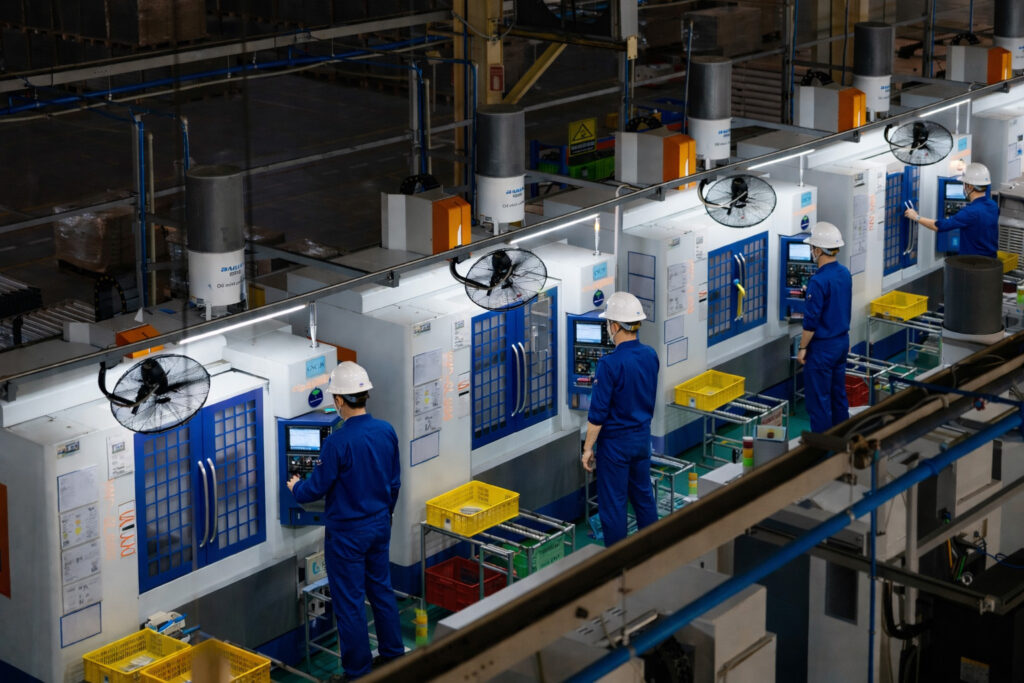
Aluminum Machined Parts: 11 Supplier Red Flags
Why Aluminum Machined Parts Need Better Supplier Selection in 2026
The market for aluminum machined parts has changed a lot over the past two years.
US buyers are still dealing with higher tariffs on imported aluminum products. In 2025, the Trump administration increased Section 232 tariffs on aluminum imports to 25%, and in mid-2025 many aluminum products were pushed to 50% tariffs. Even though some derivative product rules changed again in April 2026, imported aluminum components are still facing much higher landed costs than before.
At the same time, aluminum prices remain volatile. Global supply has tightened because of sanctions on Russian aluminum, continued impacts from the Ukraine-Russia war, and disruptions in the Middle East. In March 2026, aluminum prices reached a four-year high after attacks on smelters in the Gulf region created fears of a prolonged supply shortage.
For buyers in the US and Europe, this means one thing: supplier selection is no longer only about cost. It is about stability, risk reduction, and long-term reliability.
Red Flag #1: Pricing That Looks Too Cheap
Everyone wants lower pricing. That is understandable. But if one aluminum machined parts supplier quotes 20% lower than everyone else, there is usually a reason.
Sometimes suppliers quote with loose tolerances or cheaper aluminum grades without telling the customer. A quote for CNC machined aluminum parts Vietnam should always show clear details about:
- Raw material grade
- Machining cost
- Surface finish
- Packaging
- Inspection
- Tooling
- Freight terms
A supplier that only sends one total price without explanation can become risky later. The quote may look attractive at first, but the final invoice can end up much higher.
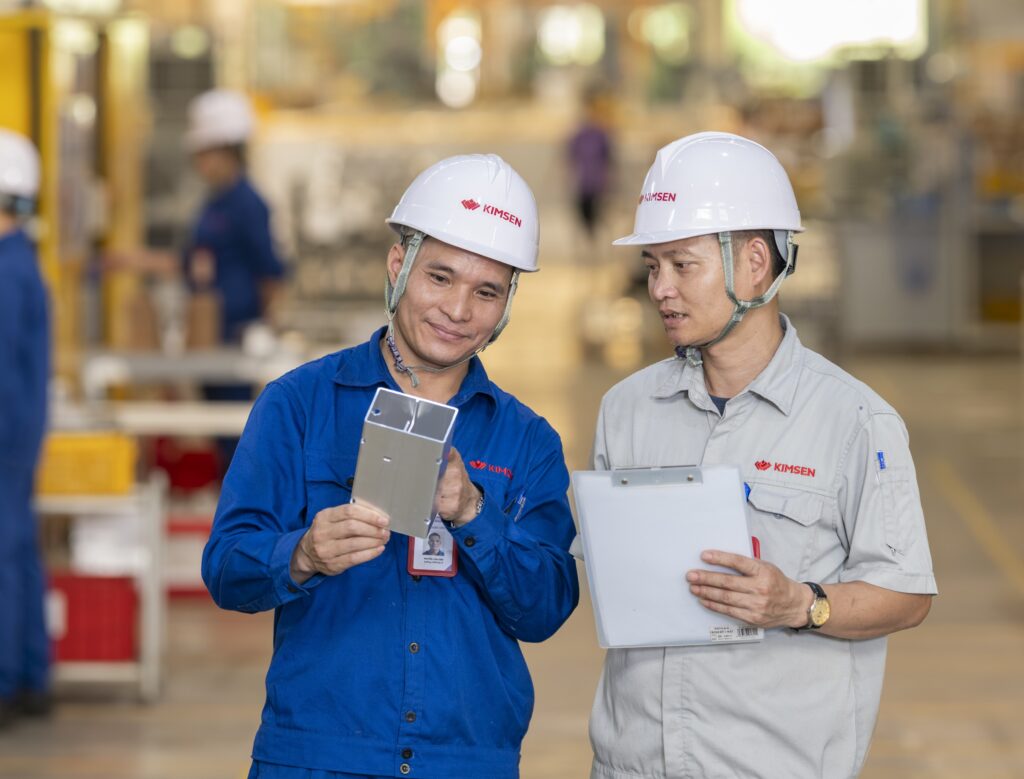
Red Flag #2: Weak Understanding of Aluminum Alloys
Not all aluminum alloys perform the same way. Yet many suppliers recommend the same alloy for every project. That is usually a warning sign. Here are a few examples:
Common Alloys for Aluminum Machined Parts
- 6061-T6: Good balance of strength, machinability, and corrosion resistance
- 6063: Often used for extrusion profiles because it gives a smoother finish
- 7075-T6: Much stronger, often used in aerospace or high-load parts
- 2024: Better fatigue resistance for demanding industrial applications
This becomes even more important when a project combines aluminum extrusion and CNC machining. Many buyers now prefer suppliers that can manage both processes together because it reduces communication gaps and speeds up production.
Red Flag #3: Poor Tolerance Control
Tolerance capability is one of the clearest signs of whether a supplier is experienced or not.
Typical CNC Machining Tolerances
- General machining: ±0.05 mm
- Precision machining: ±0.01 mm
- Critical dimensions: ±0.005 mm or tighter
The supplier should also understand:
- ISO 2768
- GD&T requirements
- Flatness and perpendicularity
- Post-anodizing dimensional changes
- Thread tolerance requirements
Red Flag #4: Weak Aluminum Machining Quality Control
A supplier can own expensive machines and still produce poor quality. The real difference is aluminum machining quality control.
H3: Signs of Strong Quality Control
A good supplier should have:
- Incoming material inspection
- In-process inspection
- Final inspection
- CMM measurement
- Surface roughness testing
- Hardness testing
- Traceability records
- First article inspection reports
Many US and EU buyers now ask for PPAP, FAI reports, or full dimensional reports before approving production.
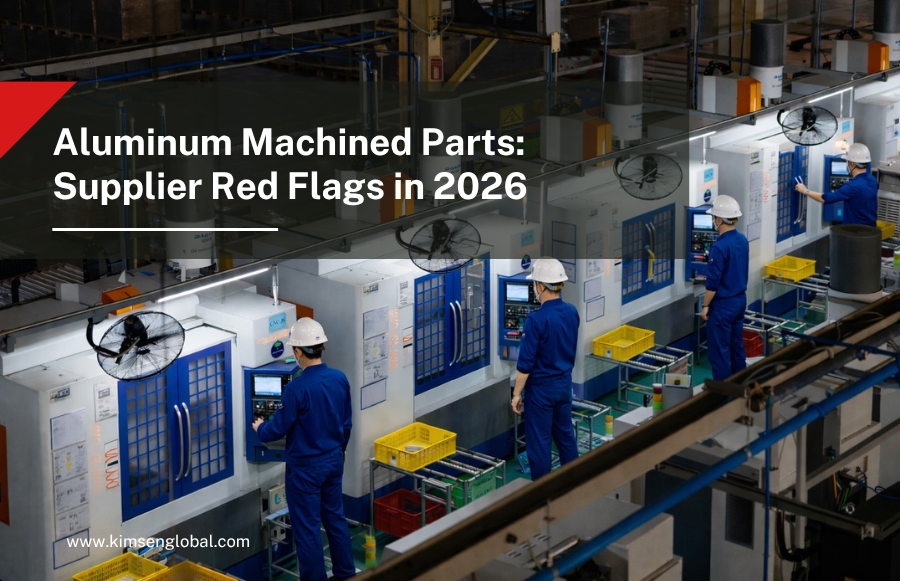
This is one area where KIMSEN Industrial Corporation stands out. KIMSEN has invested in CMM Hexagon systems, 2.5D measuring equipment, hardness testing, and a full QA process with IQC, PQC, and OQC teams. That gives buyers much better visibility into production quality and traceability.
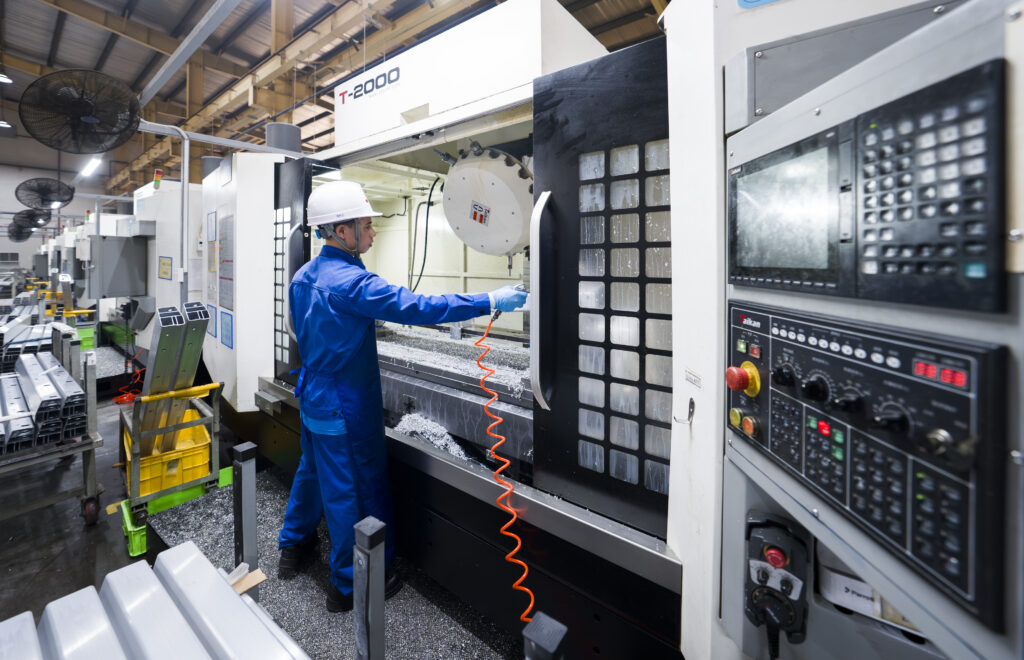
Red Flag #5: No Experience with Surface Finishing
A part can pass dimensional inspection and still fail because of poor surface finish.
Common Surface Finish Problems
- Scratches
- Burrs
- Uneven anodizing color
- Dirty surfaces
- Tool marks
- Poor powder coating adhesion
- Surface contamination
For products that will be visible to end users, even a small surface defect can damage the entire product image.
In addition, anodizing changes the thickness of the aluminum surface slightly. Suppliers must understand this when they machine tight-fit features or threaded holes. If a supplier cannot explain anodizing thickness or masking requirements, that is a major red flag.
Red Flag #6: Poor Communication During the RFQ Stage
The RFQ stage usually predicts what the production stage will look like. If a supplier is slow to respond, does not ask technical questions, or ignores missing details, problems will likely appear later.
A Strong RFQ Should Include
- 2D drawings
- STEP or IGES files
- Material grade
- Surface finish
- Quantity forecast
- Packaging requirements
- Delivery terms
- Inspection requirements
Good suppliers ask questions because they want to avoid mistakes. Weak suppliers quote immediately without understanding the project.
Red Flag #7: No Traceability or Certifications
An aluminum machined parts supplier should be able to provide:
- ISO 9001 certification
- ISO 14001 certification
- IATF 16949 for automotive
- Material certificates
- RoHS compliance
- REACH compliance
- Batch traceability
If a supplier cannot trace a part back to the raw material batch or production lot, it becomes much harder to investigate defects later. That is especially important for automotive, electronics, and industrial customers.
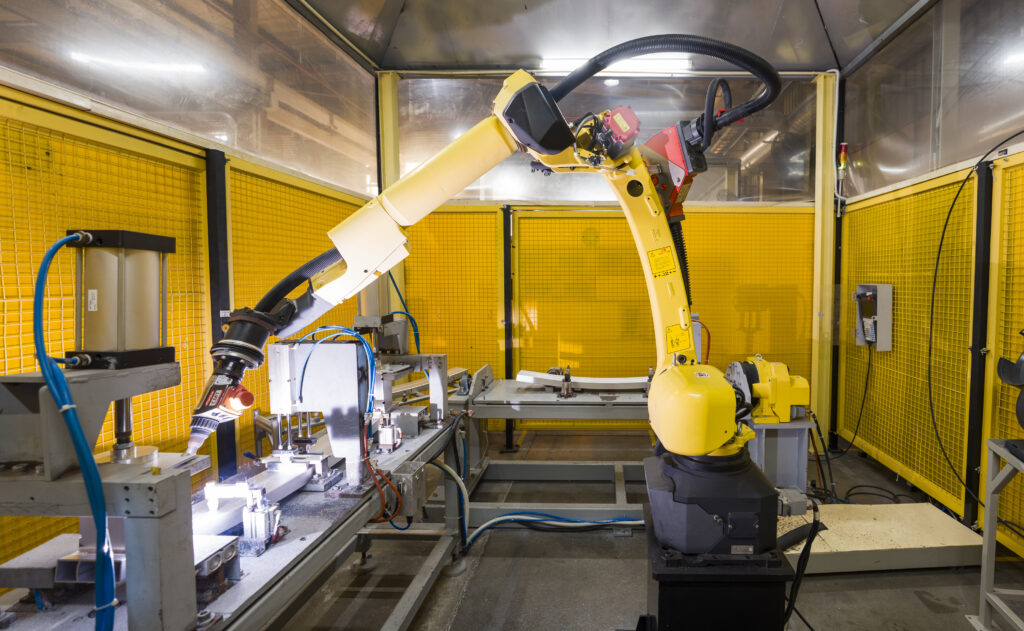
Red Flag #8: Limited Export Experience
Export Experience Should Include
- English communication
- Strong packaging
- Correct Incoterms usage
- Faster response times
- Customs documentation
- Export labeling
- Shipping coordination
Vietnam has become more attractive because many factories now have much stronger export systems than they did five years ago.
KIMSEN Industrial Corporation, for example, already exports to customers in the US, Europe, and Asia. The company operates with ERP systems, strong document control, and clear production tracking, which is becoming more important as buyers try to reduce supply chain risk.
Red Flag #9: Outsourcing Too Many Processes
Some suppliers only machine the part. Then they outsource anodizing, powder coating, welding, assembly, and packaging to outside companies. That can create delays and quality issues.
Common Outsourced Processes
- Anodizing
- Sandblasting
- Powder coating
- Welding
- Assembly
- Laser engraving
- Packaging
A supplier with more in-house capability can usually offer:
- Faster lead times
- Better quality control
- Lower risk of damage
- Easier communication
- Better pricing stability
This is why many buyers prefer CNC machined aluminum parts Vietnam suppliers that can handle extrusion, machining, finishing, and assembly in one location.
Red Flag #10: Trading Company Disguised as a Factory
Not every supplier with a professional website is an actual factory. Some are trading companies. That is not always bad, but buyers should know exactly who is making the parts.
Questions to Ask
- Can you visit the factory?
- Can they show machine lists?
- Can they share inspection equipment details?
- Can they arrange a video call from the production floor?
- Can they provide photos of previous projects?
Red Flag #11: No Plan for Supply Chain Disruptions
The Ukraine-Russia war continues to affect raw material supply, while sanctions on Russian aluminum have removed millions of tons of metal from normal Western trade flows. Meanwhile, instability in the Middle East has increased pressure on global aluminum prices and shipping routes.
Many buyers are now moving more sourcing to Vietnam because they want:
- Better supply chain stability
- More supplier diversification
- Lower geopolitical risk
- Faster lead times
- Stronger communication
Vietnam suppliers that already have stable billet sourcing, multiple finishing partners, and internal production flexibility are in a much better position than factories that depend on only one source of material.
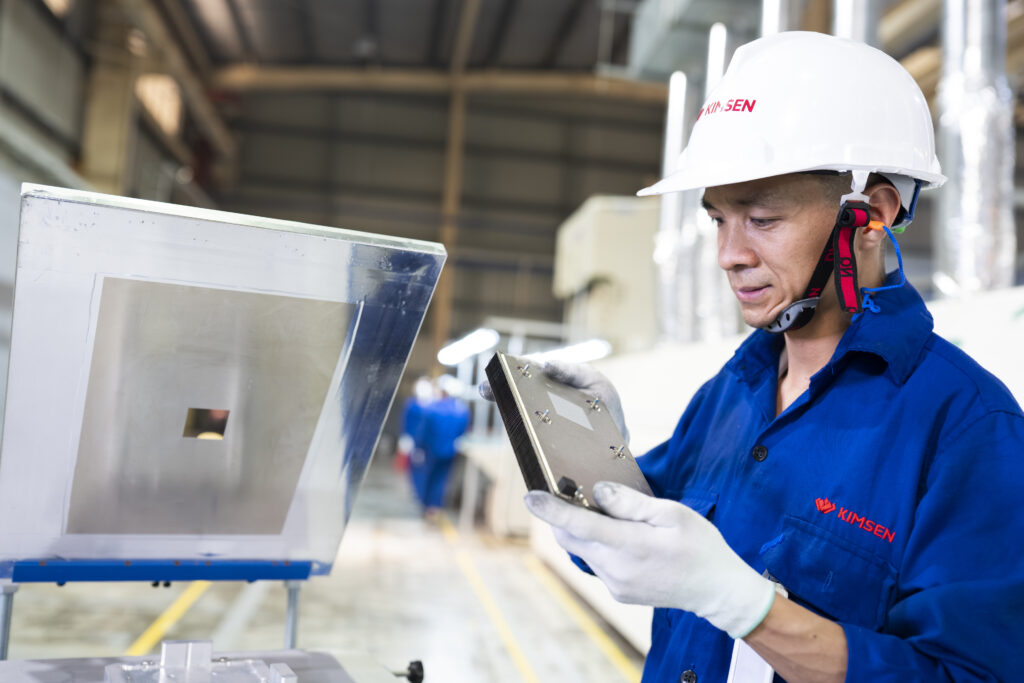
Why KIMSEN Industrial Corporation Is Worth Considering
For buyers looking for aluminum machined parts in Vietnam, KIMSEN Industrial Corporation offers several advantages.
The company combines:
- Aluminum extrusion
- CNC machining
- Stamping
- Welding
- Surface finishing
- Assembly
- Quality inspection
That makes it easier to control the full process from raw material to finished part.
KIMSEN also supports industries such as automotive, thermal management, solar energy, and industrial equipment. The factory operates under ISO 9001, ISO 14001, and IATF 16949 systems, while also using modern lab equipment and ERP-based production management.
For US and EU buyers, that combination can reduce both cost and risk.
Conclusion
Choosing the right supplier for aluminum machined parts is not only about who offers the lowest price.
It is about finding a partner that understands alloys, tolerances, inspection, finishing, export requirements, and supply chain risk.
In 2026, those factors matter even more because tariffs, rising aluminum prices, and global disruptions continue to pressure manufacturers. The wrong supplier can create delays, scrap, and extra cost. The right supplier can improve quality, shorten lead times, and help your business stay competitive.
If you are sourcing CNC machined aluminum parts Vietnam, pay close attention to the warning signs early. Ask questions. Review quality systems. Check inspection equipment. Look at how the supplier communicates.
Those details often tell you much more than the quote ever will.
Read more: Aluminum Heatsink: Sourcing Mistakes Buyers Make – KIMSEN Industrial Corporation