Aluminum supply chain disruptions are becoming a long-term challenge in 2026. Buyers are changing the way they source aluminum products and industrial components to reduce risk and improve supply stability.
Rising LME aluminum prices, higher regional premiums, and growing freight costs are creating additional pressure for manufacturers. In recent months, aluminum buyers have faced more volatility as tighter inventories, geopolitical tensions, and supply concerns in the Middle East continue to affect the market. More buyers are changing the way they source aluminum products and industrial components to reduce risk and improve supply stability. Rising geopolitical tensions, higher freight costs, unstable shipping routes, and tighter aluminum supply are forcing manufacturers to rethink how they source products and components.
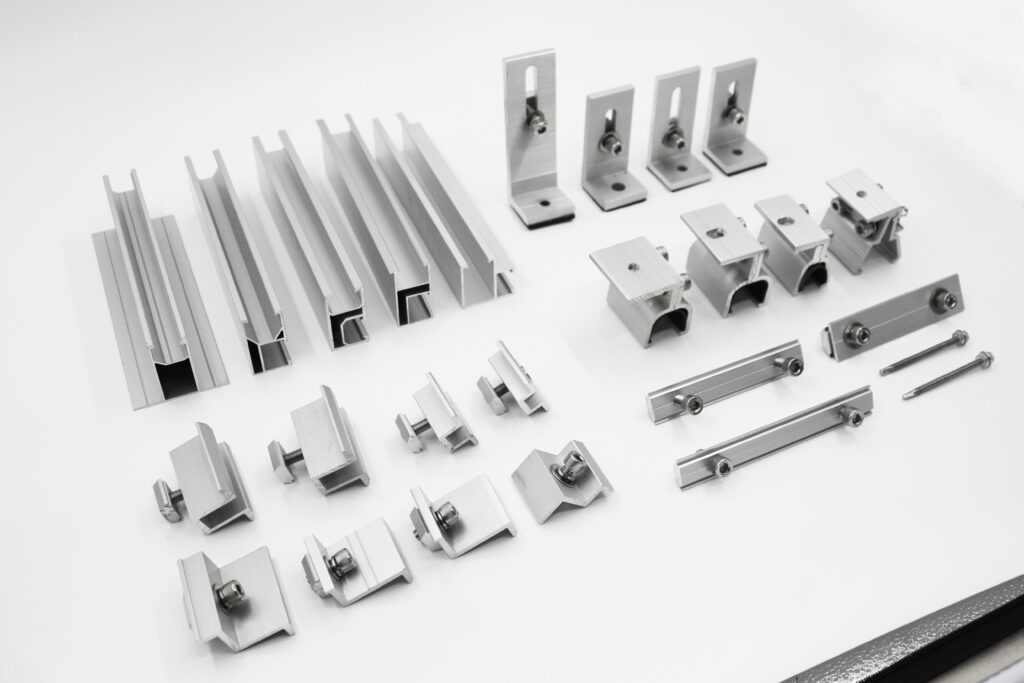
Many buyers are no longer waiting for disruption to happen. They are actively diversifying suppliers, increasing inventory for critical parts, and moving more sourcing to Vietnam. For companies that depend on aluminum extrusions, CNC machined parts, heatsinks, automotive components, and industrial assemblies, supply chain resilience is now just as important as price.
Why Aluminum Supply Chain Risks Are Rising Again
Global manufacturers are facing a new wave of uncertainty.
Recent tensions in the Middle East have created concerns around the Strait of Hormuz, one of the world’s most important shipping routes. The region is also home to several major aluminum producers. Any disruption in this area can affect aluminum availability, freight costs, lead times, and regional premiums.
At the same time, the global aluminum market has already been tight due to lower inventories, high energy costs, and stronger demand from industries such as automotive, renewable energy, AI infrastructure, and data centers.
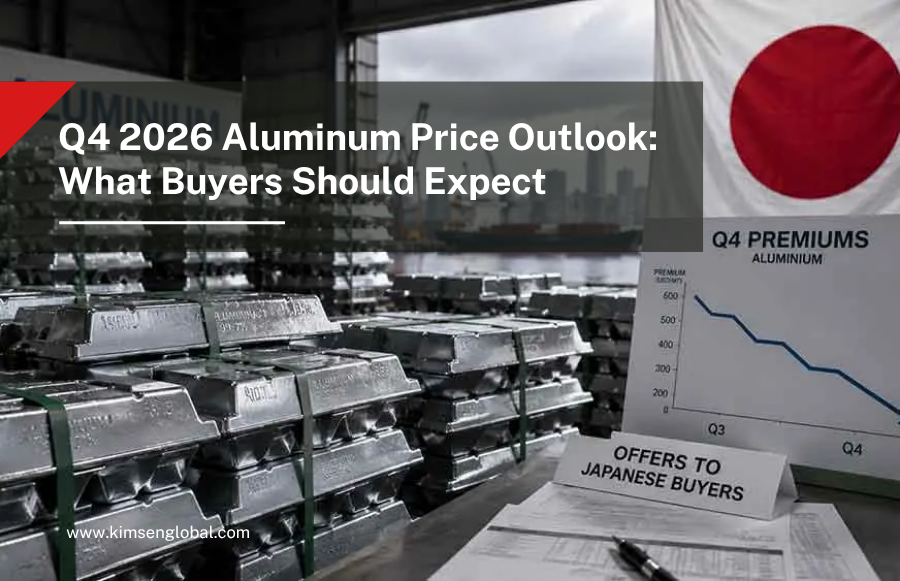
LME aluminum prices have remained elevated in recent months, while physical premiums in Asia have also increased because of supply concerns and shipping uncertainty. For buyers, this means aluminum costs can change quickly, especially for products that rely heavily on extrusion, machining, and secondary processing.
For buyers, this means longer lead times, higher aluminum prices, rising regional premiums, and greater pressure on production planning. Many companies are also facing higher inventory costs as they try to protect themselves against future shortages.
Companies that rely too heavily on one country, one supplier, or one shipping route are becoming more exposed to these risks.
How Buyers Are Responding to Aluminum Supply Chain Disruptions
Over the last few years, many manufacturers have already started shifting away from relying on a single sourcing market.
The “China+1” strategy continues to grow as companies look for more flexibility and lower risk. Instead of buying everything from one country, buyers are adding suppliers in Vietnam, India, Mexico, and other regions.
Vietnam has become one of the strongest alternatives because it offers competitive production costs, a growing manufacturing base, strong trade access to the US and Europe, and lower geopolitical risk than some other markets.
For aluminum components, Vietnam is especially attractive because buyers can source both simple extrusions and more complex finished parts from one supplier.
Reliability Is More Important Than Lowest Cost
In uncertain times, the cheapest supplier is not always the safest supplier.
A lower price may look attractive at the beginning, but if that supplier cannot deliver on time, maintain quality, or communicate clearly during disruptions, the real cost becomes much higher.
Many buyers are now placing more importance on stable lead times, consistent product quality, clear communication, strong quality systems, and the ability to react quickly when demand changes.
This is especially important in industries such as automotive, thermal management, solar energy, electronics, and industrial equipment, where one delayed component can stop an entire production line.
Why In-House Manufacturing Capabilities Matter
One of the biggest lessons from recent supply chain disruptions is that suppliers with more in-house processes can respond faster and more reliably.
When a supplier depends on too many subcontractors, every extra step adds more risk. Delays in one process can affect the entire project.
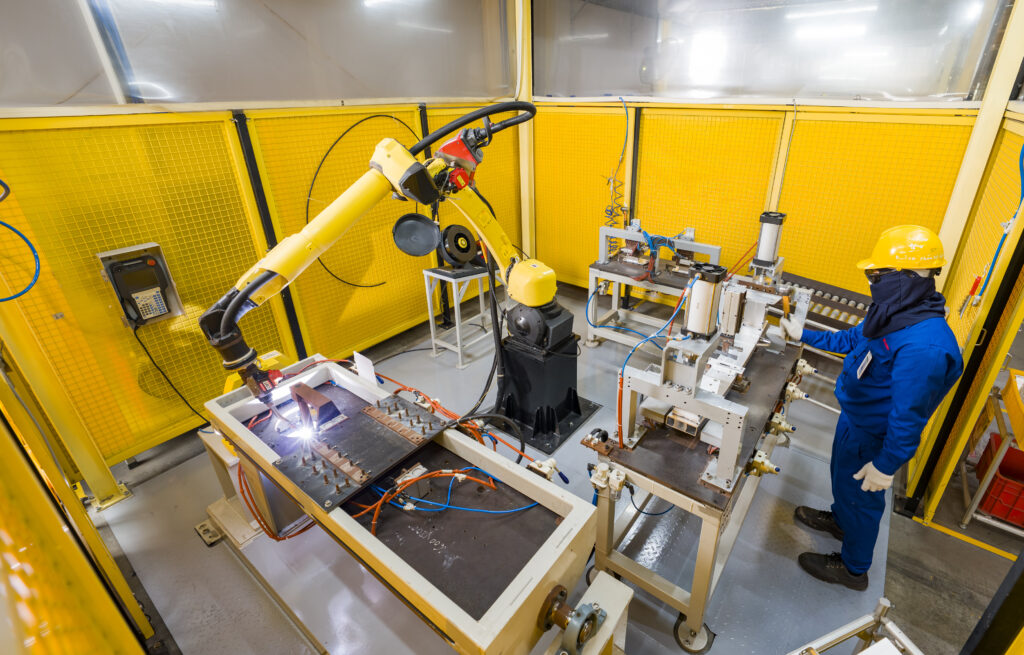
Buyers increasingly prefer suppliers that can handle more processes internally, from aluminum extrusion and CNC machining to stamping, welding, assembly, and quality inspection.
This helps reduce lead times, improve quality control, simplify communication, and lower the risk of production delays. For buyers looking for aluminum products, working with a supplier that can provide both extrusion and secondary processing is becoming more important than ever.
How Kimsen Prepares for Aluminum Supply Chain Disruptions
At Kimsen, we believe supply chain disruption is no longer a temporary issue. Rising aluminum prices, freight volatility, longer lead times, and geopolitical tensions have made supply chain stability more important than ever.
To prepare for these changes, we have continued to strengthen long-term relationships with trusted aluminum suppliers, expand our network of qualified partners, and improve flexibility in raw material sourcing. At the same time, we have invested more in in-house production capabilities such as aluminum extrusion, CNC machining, stamping, welding, assembly, and quality inspection.
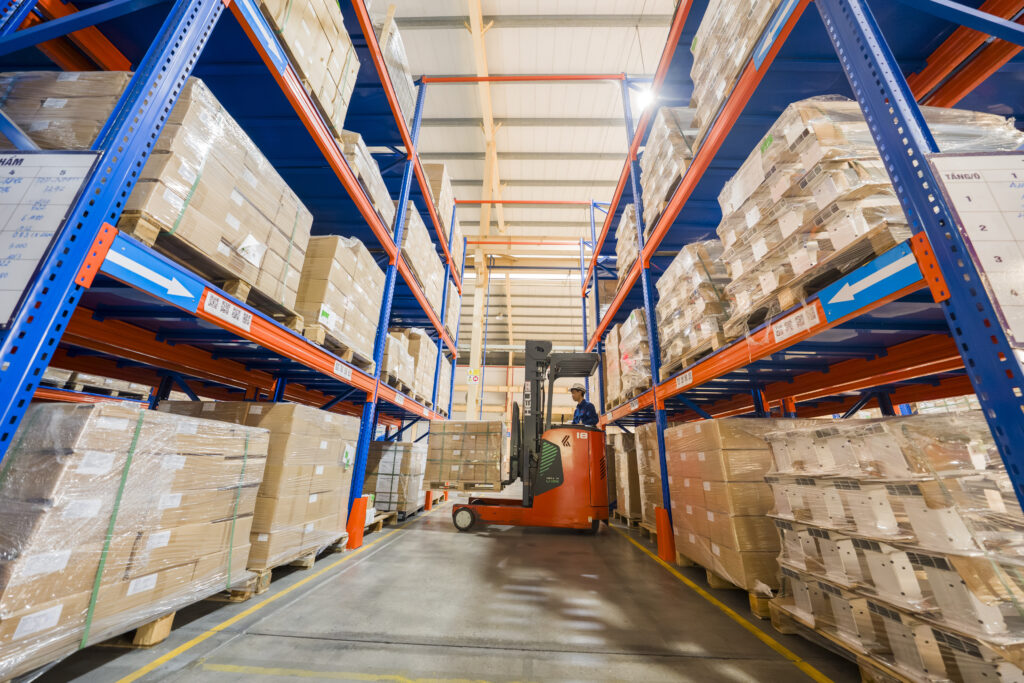
This allows us to reduce dependence on outsourced processes, maintain more stable lead times, and respond faster when customer demand changes suddenly.
Why Aluminum Supply Chain Disruptions Are Changing Buyer Priorities
From Kimsen’s perspective, the market is changing.
In the past, many buyers focused mainly on unit price. Today, more companies are asking different questions:
- Can this supplier still deliver if the market becomes unstable?
- Can they maintain quality during periods of pressure?
- Can they react quickly if demand changes suddenly?
- Can they support multiple manufacturing processes in one place?
We believe the suppliers that will stand out in the coming years are not simply the cheapest suppliers. They are the suppliers that can combine stable quality, reliable lead time, strong communication, and flexible manufacturing.
That is why Kimsen continues to invest in aluminum extrusion, CNC machining, stamping, welding, assembly, quality systems, and digital production management.
More Customers Are Looking to Vietnam for Supply Chain Security
We are seeing more companies approach Kimsen because they want to reduce sourcing risk and build a stronger backup plan.
Some customers who previously depended heavily on one country are now looking for secondary suppliers in Vietnam. Others want to move part of their production to Southeast Asia to improve flexibility and reduce exposure to geopolitical risks.
Recently, several buyers in the automotive and thermal management sectors have contacted Kimsen to discuss dual-source strategies, backup production plans, and faster prototype support in Vietnam.
In many cases, customers are no longer comparing suppliers based only on price. They are also looking at how much production can be controlled internally, how stable lead times can remain during uncertain periods, and how quickly suppliers can respond when conditions change.
With strong in-house capabilities and a stable supplier network, Kimsen helps customers reduce supply chain risk and maintain more reliable production.
Conclusion
Supply chain disruption is no longer a temporary issue. It is becoming a long-term challenge that manufacturers must prepare for.
Companies that act early by diversifying suppliers, reducing dependence on one region, and working with reliable manufacturing partners will be in a stronger position when future disruptions happen.
Vietnam is becoming one of the most important sourcing destinations for companies that want more stability, flexibility, and supply chain security.
For aluminum extrusion, CNC machining, automotive parts, thermal solutions, and industrial components, choosing the right supplier can make the difference between stable production and costly delays.
>> Read more: LME Aluminum Price Surge: What Buyers Must Do Now