


The aluminum market is sending buyers two different signals as Q4 2026 approaches.
On one side, Asian physical premiums are finally moving lower. Initial offers for Japan’s Q4 primary aluminum contracts have fallen sharply from Q3 levels. On the other, the London Metal Exchange (LME) aluminum price remains elevated, while buyers in the United States are still dealing with unusually high regional premiums.
So, is aluminum actually getting cheaper?
The short answer is: parts of the cost structure are easing, but that doesn’t mean every aluminum quotation will fall at the same rate. For purchasing teams sourcing extruded aluminum, heatsinks, automotive components, CNC-machined parts, or other finished products, that distinction matters.
Aluminum Premiums Are Falling. Will Your Q4 Aluminum Quote Get Cheaper?
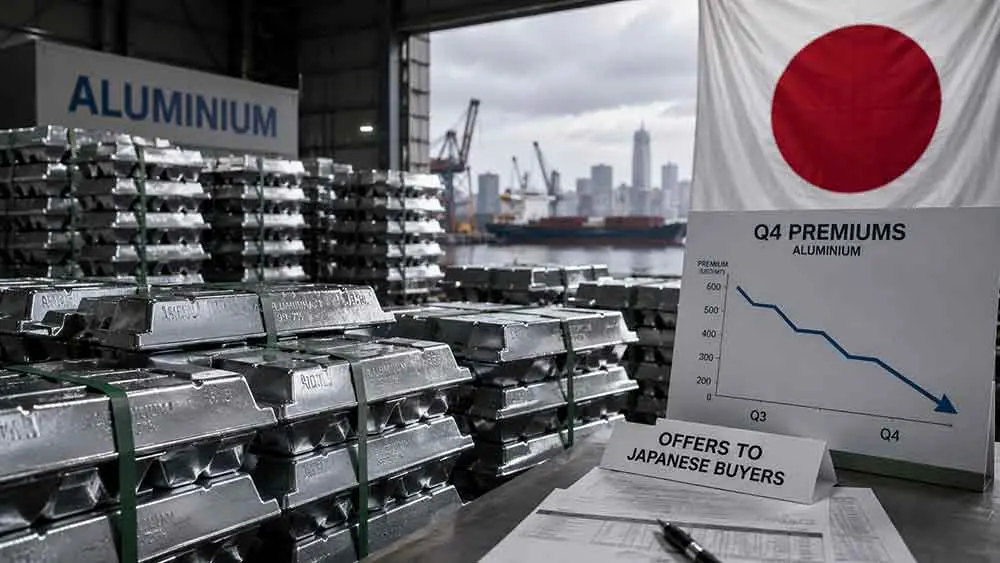
One of the clearest changes heading into Q4 comes from Japan. The Japanese Q3 2026 primary aluminum premium settled at $395 per metric ton over the LME cash price, up from $350–353/mt in Q2. It was the highest quarterly level seen in roughly a decade.
Q4 negotiations look quite different.
Major global producers opened October–December offers at around $310–325/mt, about 18–22% below Q3. Japanese buyers have pushed for settlement below $300/mt as Asian supply conditions improve. As of mid-September, however, these figures remain opening offers rather than a final Q4 settlement.
That distinction is important. A falling premium points to less pressure in the physical aluminum market. It does not automatically mean a 20% reduction in the total cost of aluminum products.
Why Are Asian Aluminum Premiums Coming Down?
Supply conditions have improved compared with the uncertainty seen earlier in 2026. Reuters reported that lower Q4 offers reflect improving Middle Eastern production conditions and softer European premiums. More aluminum is also becoming available from other Asian sources, including Indonesia.
There is still some tension, though.
Japan’s stocks at its three major ports fell to 201,000 metric tons at the end of July, their lowest level since April 2010. Global primary aluminum production was also down 1.7% year over year in July, while Gulf production was heavily affected by earlier disruptions.
In other words, supply pressure is easing, but the market hasn’t suddenly become loose. That helps explain why sellers are lowering premiums while buyers continue pushing for more.
LME Aluminum Is Still Expensive
While physical premiums are weakening, the underlying LME aluminum price remains relatively high. During the first half of September, LME cash aluminum traded largely around $3,250–3,350 per metric ton. On September 11, for example, cash aluminum settled at $3,274/mt. Data through September 14 also showed an LME three-month average of about $3,291/mt for the month to date.
This creates a situation buyers sometimes find frustrating: The premium falls, yet the total raw material cost remains stubbornly high.
Think of an aluminum quotation as a restaurant bill. The ingredient price matters, sure. But it isn’t the whole check. For a finished aluminum component, buyers may be paying for the LME metal value, regional premium, alloy conversion, billet cost, extrusion, CNC machining, surface treatment, inspection, packaging, logistics, and supplier margin. A reduction in one line doesn’t automatically move every other line.
Read more: Aluminum Price Guide: LME, Premiums & Costs | KIMSEN

U.S. Buyers Face a Very Different Aluminum Market
This becomes even clearer when comparing Asia with the United States. The U.S. Midwest aluminum premium was around $1.09 per pound, or approximately $2,403 per metric ton, in early September. It had eased from a record $1.19/lb in June, but remained extremely high compared with Asian premiums.
Alcoa has said that reducing tariffs on Canadian aluminum alone may not be enough to bring the premium down substantially. The U.S. needs roughly 4 million tons of aluminum imports per year, while Canada can supply about 3 million tons, leaving a gap that must come from other markets. That means a buyer purchasing an aluminum component in the U.S. may see a very different raw-material cost environment from a buyer sourcing the same component through Asia.
This regional gap is one reason global sourcing comparisons based only on the LME price can be misleading.
European Buyers Have Another Cost Factor to Watch
European buyers also need to keep trade and carbon costs in the picture. On September 15, the European Parliament backed changes that would expand the scope of the EU Carbon Border Adjustment Mechanism (CBAM) to smaller aluminum shipments and post-consumer aluminum scrap. The proposal still requires negotiation with EU member states before final rules are agreed.
For EU purchasing teams, that adds another variable when comparing suppliers inside and outside Europe. A low factory price does not always mean a low landed cost.
What Does This Mean for Q4 Aluminum Buyers?
The Q4 picture looks more balanced than it did earlier in the year, but buyers shouldn’t treat falling premiums as a signal to expect a broad price collapse. Instead, purchasing teams should separate the quotation into its main cost drivers. If the supplier uses an LME-linked pricing formula, ask which reference period applies. Is it spot, a monthly average, or a 30-day average before the purchase order? Then look at the physical premium. Does the supplier use MJP, a regional billet premium, Midwest premium, or another material basis?
Finally, look at processing. For a CNC-machined heatsink or automotive component, machining time, tooling, finishing, inspection, scrap rate, packaging, and logistics may represent a meaningful part of the finished price. Those costs don’t necessarily fall simply because the aluminum premium moves lower.
This is why asking only, “What is your aluminum price?” rarely gives buyers the full picture. A better question is: “Which parts of this quotation change when LME or the aluminum premium changes?”
That question tells you much more.
What KIMSEN Is Watching for Q4 2026
For aluminum sourcing projects, KIMSEN looks at material pricing as part of the complete manufacturing cost rather than treating LME as the final product price. This matters especially for projects combining aluminum extrusion with CNC machining, surface finishing, assembly, inspection, or thermal testing.
Heading into Q4, three signals deserve close attention: the final Japanese Q4 premium settlement, movement in LME aluminum prices, and regional differences between Asian, European, and U.S. physical aluminum markets.
For buyers sourcing from Vietnam, the bigger opportunity may not simply be finding the lowest aluminum price. It is building a sourcing model where the metal basis, processing cost, and price adjustment mechanism are clear from the beginning. When prices move, transparency matters.
Read more: Aluminum Price Guide: LME, Premiums & Costs | KIMSEN
Q4 2026 Aluminum Price Outlook: The Bottom Line
The aluminum market is showing signs of relief, but not across the board. Asian premium offers have dropped sharply from Q3 levels. That is good news for buyers. Yet LME aluminum remains elevated, U.S. physical premiums are still unusually high, and trade-related costs continue to affect regional sourcing decisions.
So will Q4 aluminum quotations become cheaper?
Some may.
But buyers should expect the size of any reduction to depend heavily on where the aluminum is sourced, how the supplier calculates raw material costs, and how much processing sits behind the finished component. The headline aluminum price is only the starting point. For a clearer look at your aluminum sourcing cost, talk with KIMSEN about the material basis, manufacturing process, and quotation structure for your next project.
FAQs
Will aluminum prices fall in Q4 2026?
Current data shows lower physical aluminum premium offers in Asia, but LME prices remain relatively high. The final cost direction will depend on both metal prices and regional supply conditions.
What is the Q4 2026 Japanese aluminum premium?
As of mid-September 2026, global producers have offered around $310–325 per metric ton for Q4 shipments. Negotiations are still underway, so this should not be treated as the final Q4 settlement.
Why doesn’t an aluminum quotation fall when LME falls?
Finished aluminum products include costs beyond raw metal, such as premiums, alloy conversion, extrusion, CNC machining, finishing, inspection, logistics, and other manufacturing expenses. The impact depends on the pricing formula used for each project.
Sources & Further Reading:
Cutting Canada tariffs alone won’t flatten US aluminum premium, Alcoa says | Reuters
Aluminium Price Today: Price, Trends & Forecast 2026 | Tacto


