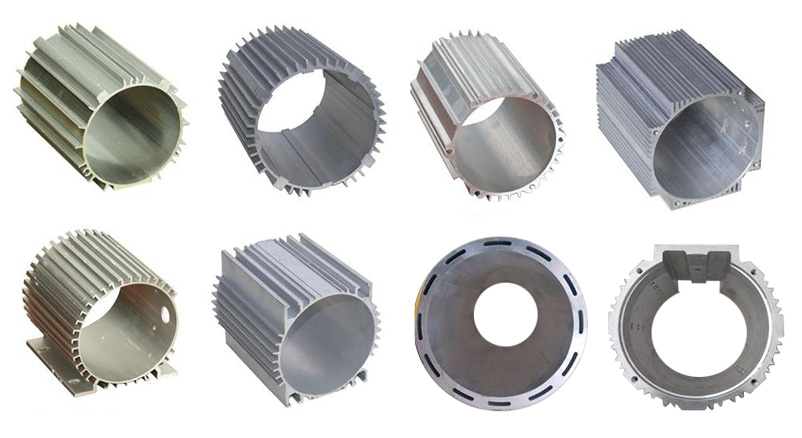
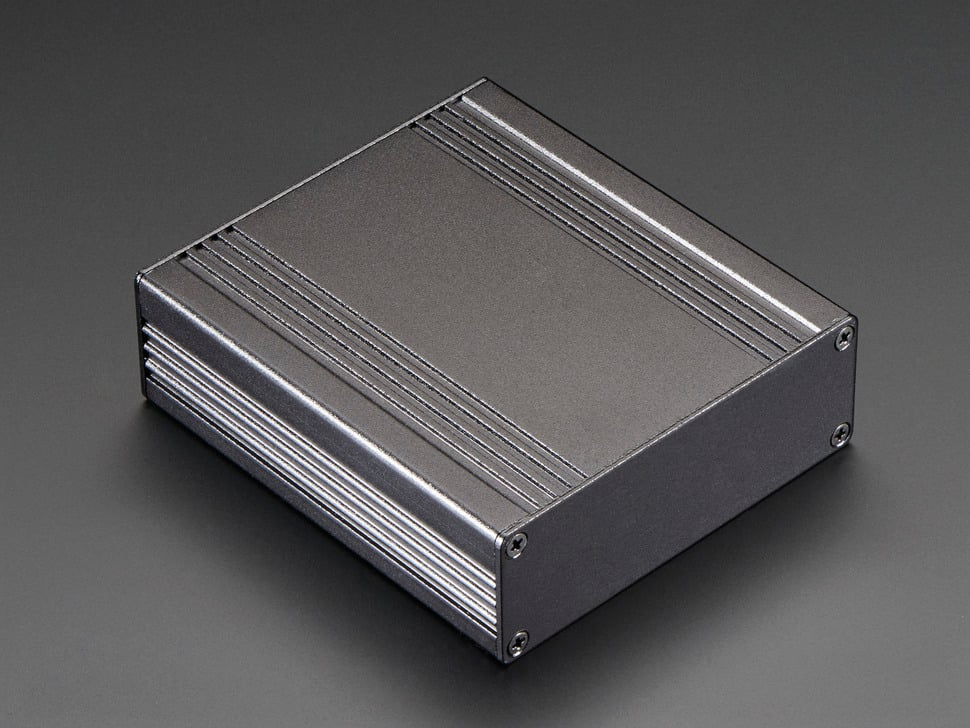
When we talk about aluminum extrusion housing, we’re referring to custom-shaped aluminium profiles that form the enclosure or shell of a component—think electronics, industrial enclosures, LED housings, automotive modules. The alloy you choose influences strength, machinability, finish quality, corrosion-resistance and cost. As a US or EU buyer sourcing from Vietnam, you’re not just picking a profile but a supply chain, and the alloy becomes the connective tissue between design intent, manufacture and delivery. In the light of global shifts (tariff pressures, the Ukraine-Russia war, supply chain volatility in 2025) picking the right alloy plus the right supplier is even more critical. In what follows we’ll: provide an overview of alloy series, explore their fit for housings, compare 6063 vs 6061 alloy for extrusion profile decisions, highlight manufacturing/sourcing in Vietnam, and wrap up with a decision framework geared toward buyers like you.
Overview of Aluminum Alloy Series for Extrusions
Alloy classification system (1xxx, 3xxx, 5xxx, 6xxx, 7xxx)
Aluminium wrought alloys are grouped by series: 1xxx (essentially pure Al), 3xxx (Mn-alloyed), 5xxx (Mg-alloyed), 6xxx (Mg-Si alloyed), 7xxx (Zn-Mg-Cu alloyed). Each series brings specific properties and trade-offs.
Key properties influencing alloy choice (strength, formability, corrosion, finish)
For extrusion housing you’re typically balancing:
- Strength – housing may need to support structure or resist deformation
- Formability/extrudability – complex profiles, thin walls, deep draws favor easier alloys
- Finish and surface quality – anodising or powder coating demand high polishability, good surface integrity
- Corrosion-resistance – outdoor housings or harsh environments require robust protection
- Cost and lead time – alloy choice, temper, and sourcing country all affect pricing and logistics
In short: the right alloy series underpins performance, manufacturability and overall value for your aluminium extrusion housing.
1xxx Series Alloys for Aluminum Extrusion Housing
Typical alloys (e.g., 1050, 1100)
Pure aluminium alloys in the 1xxx series offer excellent formability and corrosion resistance, but their strength is relatively low. They’re less common for structural housings but might fit aesthetic or lightweight non-load-bearing enclosures.
Suitability and limitations for housing (pure aluminium benefits & strength trade-off)
For example, a housing for a light-duty LED strip might be fine in 1100-H14 if cost and finish are priority. But if the housing must withstand structural loads or machining, you’ll quickly find the limits. As a buyer sourcing from Vietnam you’ll want to ask: is the alloy strong enough for the application? Are tolerances tight enough? Does the manufacturer have the proper extrusion and finishing lines?
Use cases where 1xxx may still make sense
Non-load-bearing housings, decorative enclosures, internal shielding panels. If your design emphasises surface finish (e.g., anodised) and low cost over structural strength, 1xxx can be a fit—but those are niche.
3xxx and 5xxx Series Alloys in Housing Applications
3xxx series (e.g., 3003) benefits & challenges
3xxx series alloys (Mn-alloyed) offer moderately better strength than 1xxx, plus good weldability and corrosion resistance. For extruded aluminium housing alloy grades, 3003 may appear when moderate loads and formability matter. But again, strength lags compared to 6xxx series.
5xxx series (e.g., 5052) benefits & challenges
5xxx (Mg-alloyed) introduce higher strength and excellent corrosion resistance—especially useful for outdoor housings or marine/industrial environments. The trade-off: formability is more constrained, extrudability more complex, and cost higher compared to 6xxx. As a US/EU buyer working with a custom aluminium extrusion housing supplier Vietnam, you’ll ask: does our estimated volume and finish justify the higher alloy cost? Do we need the corrosion resistance benefits of 5052?
When corrosion resistance or weldability are paramount
If your housing is for an outdoor enclosure in a humid or saline environment (say LED signage in Europe or outdoor control boxes in US), then a 5xxx grade might make sense despite cost. But for most internal or moderately exposed applications, go to 6xxx.
6xxx Series: The Workhorse for Extruded Housing
Why 6xxx series dominate extrusions (Mg-Si alloys)
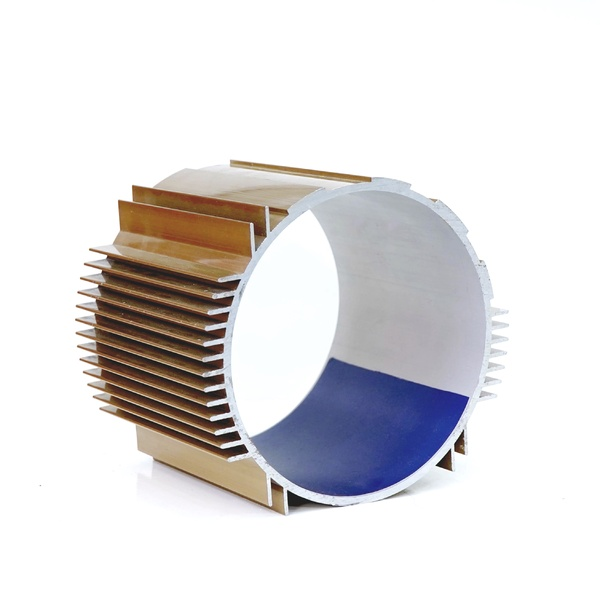
The 6xxx series (Mg-Si alloyed) strike the best balance for housings: good extrudability, decent strength, excellent finishing capability, anodising-friendly surface, machinability. Many articles on aluminium extrusion highlight 6063 and 6061 as the major players. Kloeckner Metals Corporation+1
Specific alloys in housing: 6063, 6061, 6005/6005A
For example:
- 6063: very good for complex profiles, excellent finish and anodising; somewhat lower strength. Metal Supermarkets+1
- 6061: higher strength, better machinability, less ease of extrusion compared to 6063. PSI Industries, Inc.
- 6005/6005A: less common, but used where mid-strength and good extrudability combine.
Case example: electronic enclosure profiles, LED housings
Imagine you’re sourcing a custom aluminium extrusion housing for an LED driver module. You need thin walls, smooth anodised surface, moderate strength. As a US/EU buyer sourcing from Vietnam, specifying 6063-T5 or T6 gives you good extrudability, surface finish and cost efficiency. If your housing needs integrated heat-sink fins and structural support, you might instead choose 6061-T6. By inserting “KIMSEN Industrial Corporation” into your supplier evaluation, you benefit from a specialist Vietnamese manufacturer that offers extrusion, CNC machining and finishing under one roof.
7xxx and High-Strength Alloys: When Housing Demands More
7xxx series (e.g., 7075) and other high strength alloys
If your housing is for heavy-duty applications—e.g., rugged outdoor modules, aerospace-grade enclosures, structural housings in EV systems—then 7xxx series (Zn-Mg-Cu) or specialised alloys may enter the discussion. They offer high strength, but at a cost.
Trade-offs: cost, extrudability, finish, machinability
High-strength alloys are harder to extrude, more expensive, and may have less aesthetic finish (unless processed further). Unless your application requires it, most aluminium extrusion housing buyers stick with 6xxx.
Specialized housing applications (e.g., rugged outdoor, aerospace grade)
For example: battery housings for electric vehicles may demand weight saving and high structural integrity; here a 7xxx grade could make sense—but you must weigh manufacturing complexity and sourcing risk carefully.
Finishing, Tolerancing and Housing Specific Considerations
How alloy choice affects surface finish, anodising, powder coat
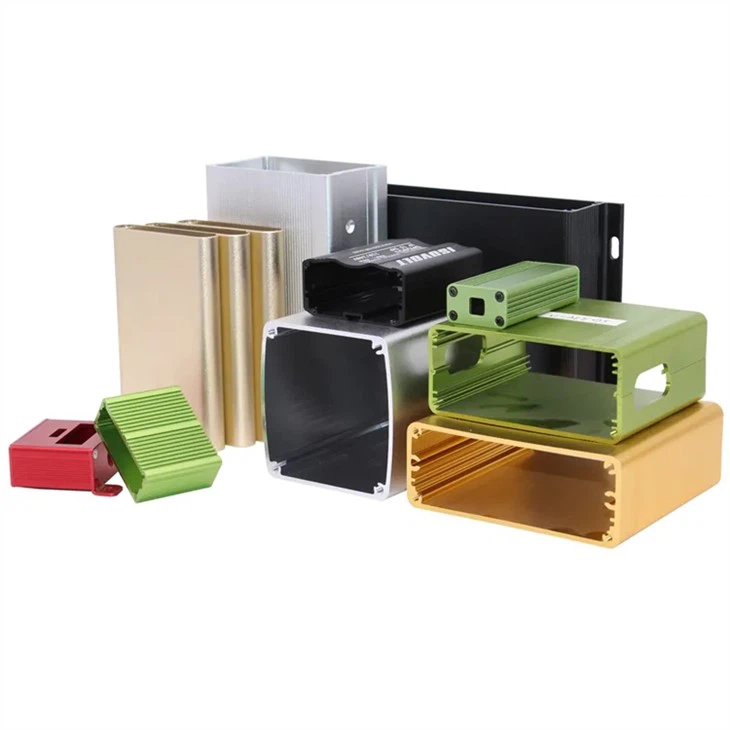
If your aluminium extrusion housing is going to get anodised or powder-coated, alloys like 6063 shine—they extrude smoothly, polish well, and yield consistent finish. For example, one source notes that 6063 offers superior surface finish compared with 6061. Industrial Metal Supply+1 If you’re working with a Vietnam manufacturer, check whether finishing lines (anodising, powder coat) are integrated and whether alloy and surface finish requirements are aligned.
Thin-wall extrusions, complex profiles: what alloys are better?
Thin-wall housing profiles (e.g., wall thickness < 2mm, complex shapes) favour alloys with high extrudability and good flow—like 6063. If you try to extrude 6061 into a very complex thin-wall shape, you may face die cracking, surface defect risks, and higher scrap rates. A good Vietnam partner will advise you on trade-offs.
Thermal management in housings (heat sinks, EMI shielding)
In housings that act as heatsinks (for electronics) or need EMI shielding, your alloy must support both structural and thermal roles. For example, while 6063 has good thermal conductivity, if you need higher strength along with heat-sink fins, 6061 might be a better pick—even if more costly.
Manufacturing & Sourcing Housing Extrusions in Vietnam
Why sourcing from Vietnam makes sense for US/EU buyers
Vietnam’s aluminium extrusion market is growing fast—in 2025 the Vietnam market is projected to grow ~13.24% and peak ~15% by 2027. For US/EU buyers looking for cost-effective, high-quality extrusion housing solutions, Vietnam offers a compelling combination of labour cost, proximity to Asia supply chain, and improving manufacturing infrastructure.
What a manufacturer like KIMSEN Industrial Corporation offers
KIMSEN Industrial Corporation is a Vietnam-based specialist in extruded aluminium, machining and assemblies, certified to ISO standards and offering surface finishing, CNC machining and export-capable infrastructure. Aluminum Extrusions By partnering with KIMSEN, you can streamline your sourcing: alloy choice, extrusion, finishing, machining and shipping—all under one roof—giving you more control and quicker lead time.
Key Points (Quick Takeaways)
- The right aluminum extrusion housing alloy underpins performance, cost and sourcing reliability.
- Alloy series from 1xxx to 7xxx offer varying trade-offs: formability vs strength vs finish.
- For most housing applications the 6xxx series (especially 6063 and 6061) hit the sweet-spot in 2025.
- When comparing 6063 vs 6061 alloy for extrusion profile, 6063 gives better finish and extrudability, 6061 gives higher strength. Industrial Metal Supply+1
- Sourcing from Vietnam helps US/EU buyers reduce cost and tap growing manufacturing capabilities—but you must check alloy traceability, finishing lines and supply chain risk.
- A partner like KIMSEN Industrial Corporation offers extrusion, machining and finishing under one roof in Vietnam, which streamlines your housing sourcing.
- Always align alloy choice with your specific housing application (load, finish, environment, budget) and double-check manufacturing capability.
Read more: Home – KIMSEN Industrial Corporation