Extruded aluminum heatsinks are the go-to thermal solution for electronics, LED systems, and industrial power control. Thanks to their light weight, strong heat dissipation, and design flexibility, they outperform most alternatives. In July 2025, B2B buyers across the U.S. and EU are increasingly sourcing these parts from Vietnam—especially from KIMSEN Industrial Corporation, a certified manufacturer offering custom cooling aluminum solutions with full-service extrusion, CNC machining, and anodizing. If thermal performance, supply chain stability, and cost-efficiency matter, then extruded aluminum heatsink profiles are the answer.
What is an Extruded Aluminum Heatsink and Why It Matters
Understanding Extruded Aluminum Heatsink Technology
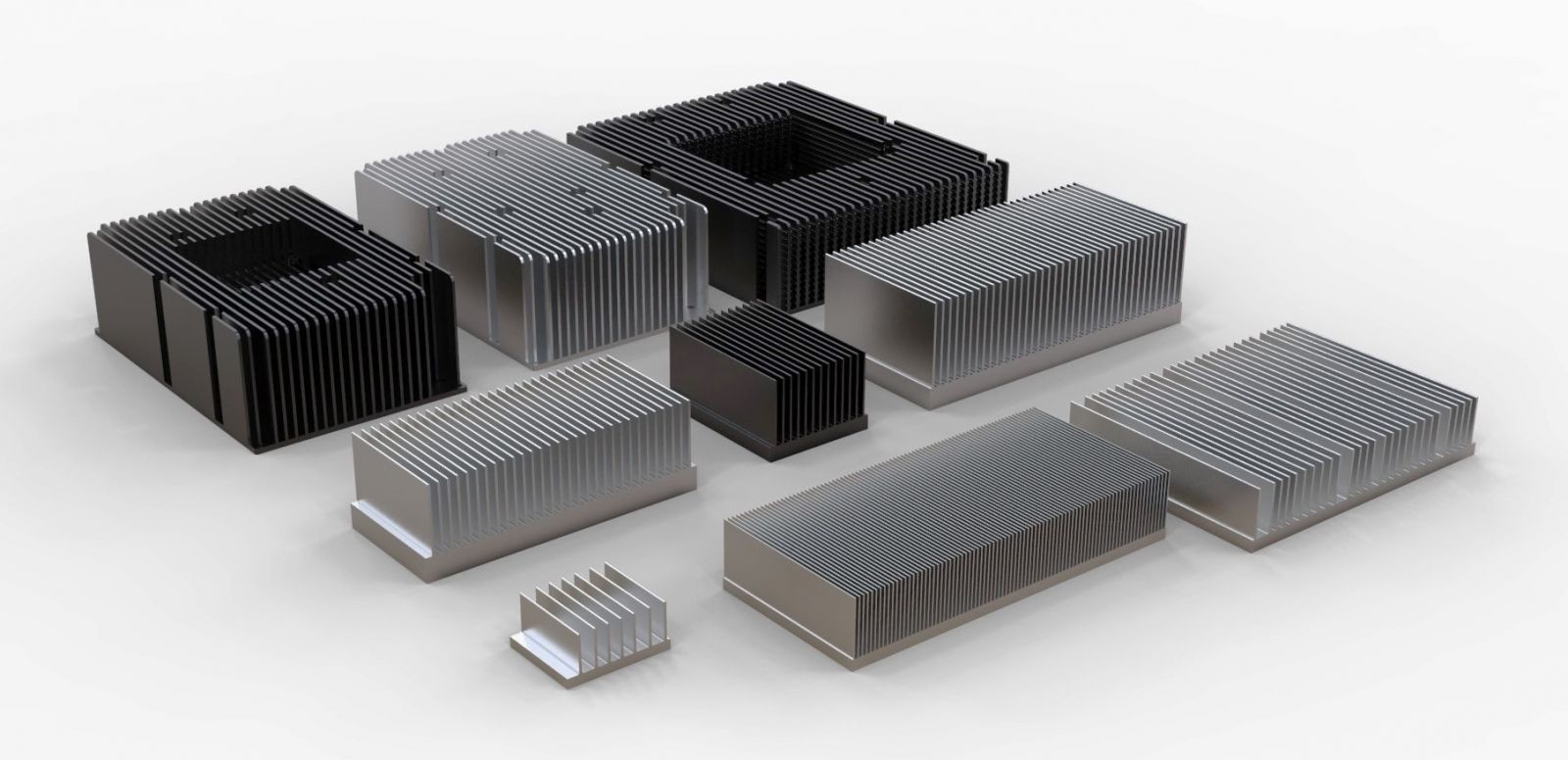
An extruded aluminum heatsink is created by forcing heated aluminum through a die to form a profile with extended fins. These fins maximize surface area, allowing heat to escape quickly from electronic components into the surrounding air.
Why Aluminum for Cooling?
Aluminum offers a sweet spot between thermal conductivity (~200 W/m·K), weight, cost, and corrosion resistance. While copper performs better thermally, aluminum wins in manufacturing and logistics—especially for high-volume industrial and electronic applications.
Key Benefits of Using Extruded Aluminum Heatsink Profiles
Lightweight Cooling Aluminum for Better System Efficiency
A typical cooling aluminum heatsink weighs about a third of a copper counterpart. That’s a huge advantage in weight-sensitive applications like EVs, drones, or telecom towers.
Cost-Effective and Scalable for B2B Production
Extrusion is highly repeatable, making it perfect for producing aluminium heatsinks in bulk. It also supports complex shapes like finned structures, embedded slots, or mounting tracks without secondary machining.
Excellent Design Flexibility for Engineers
Need a low-profile shape for a GPU card? Or a compact enclosure for an LED driver? Extrusion allows fully customized cross-sections—cut to length, finished with CNC, and ready to go.
Why Custom Cooling Aluminum Heatsinks are In-Demand in 2025
The Push for Passive Cooling
With rising energy costs and reliability concerns, passive cooling aluminum is in high demand. Extruded heatsinks—especially those with black anodizing—are ideal for these designs.
Compact Devices Need High-Performance Heatsinks
From tablets to power inverters, space is tight. That’s where high-density extruded aluminum heatsinks come in—designed with tall, thin fins that fit into tight housings but still perform.
Trade Shifts Post-2023
Due to ongoing tariffs on Chinese aluminum (Section 232), buyers are shifting orders to Vietnam. With the Ukraine war impacting supply from Eastern Europe, Vietnam’s role as a trusted aluminium heatsink supplier has grown.
Choosing the Right Alloy for Your Extruded Aluminum Heatsink
6063-T5 and 6061-T6: The Workhorses
6063-T5 is the most common alloy for extruded aluminum heatsinks, offering great thermal conductivity, good machinability, and clean anodizing. 6061-T6 is tougher, used in applications where the heatsink also bears load.
When to Consider 7075 or 2024 Aluminum
These are high-strength alloys. They’re more expensive and less conductive but are useful in aerospace or rugged industrial designs where structural integrity is as important as heat transfer.
Fin Geometry and Thermal Performance in Aluminium Heatsinks
How Fin Shape Affects Cooling
Fin height, spacing, and thickness impact airflow and heat radiation. Tighter spacing increases surface area but can trap heat if airflow is restricted. KIMSEN engineers help customers fine-tune these specs for optimized extruded aluminum heatsink results.
Integrated Design Features
Advanced designs embed screw ports, heat pipe grooves, or thermal pad recesses into the extrusion—reducing secondary operations and simplifying assembly.
Manufacturing Process of Extruded Aluminum Heatsink
From Billet to Finned Profile
It starts with preheating aluminum billets. The metal is then pushed through a shaped die and cut to length. The result? A cooling aluminum extrusion ready for post-processing.
Secondary Operations that Matter
KIMSEN offers full machining services:
- CNC milling for flatness and mounting holes
- Anodizing (black, silver, color) for corrosion and radiation
- Quality checks via CMM and surface profilometers
Where Extruded Aluminum Heatsinks Are Used
LED Lighting and Drivers
In streetlights, architectural lights, or stadium rigs, aluminium heatsinks prevent overheating and light degradation.
Power Electronics and Inverters
Heat sinks in VFDs, power rectifiers, and industrial motor controllers manage large thermal loads continuously.
Data Centers and Network Gear
Low-profile extruded aluminum heatsinks cool blade servers, routers, and edge computing hardware—often in fanless configurations.
EV Components and Battery Modules
Modern EVs use cooling aluminum profiles in everything from motor controllers to battery tray frames.
Why Source Extruded Aluminum Heatsinks from Vietnam
Cost Stability and Tariff Benefits
Vietnam is exempt from U.S. Section 232 aluminum duties as of July 2025. This makes sourcing extruded aluminum heatsinks there more affordable than from China or Europe.
Quality and Lead Time Advantages
Manufacturers like KIMSEN Industrial Corporation combine competitive pricing with:
- Shorter shipping routes
- Flexible production capacity
- Transparent communication in English
KIMSEN Industrial Corporation: Leading Heatsink Manufacturer in Vietnam
What Sets KIMSEN Apart
Located in Bắc Ninh, KIMSEN specializes in extruded aluminum heatsinks for global OEMs. They offer:
- High-tonnage presses (up to 3,600 MT)
- In-house CNC, robotic welding, anodizing
- ISO 9001:2015 and IATF 16949 certification
- MES and ERP systems for traceability
B2B Partnership Advantages
From prototyping to mass production, KIMSEN supports clients through every stage—ensuring that each cooling aluminum solution meets tight thermal specs and international standards.
Environmental & Lifecycle Benefits of Aluminium Heatsinks
Recyclability and Circular Design
Aluminum is 100% recyclable without loss of quality. Extruded aluminum heatsinks align with global ESG goals and help reduce end-of-life waste.
Lower Carbon Footprint vs Die Casting
Extrusion is a lower-energy process than casting, and using Vietnam-based facilities reduces emissions compared to long-haul freight from China.
What to Ask Before You Source an Extruded Aluminum Heatsink
- Is the alloy certified and traceable?
- Can they meet your dimensional tolerances?
- Do they support surface treatment in-house?
- What’s their extrusion tonnage and lead time?
KIMSEN offers detailed spec sheets, simulation support, and prototype sampling for all major projects.
Key Takeaways
- An extruded aluminum heatsink is ideal for efficient, scalable, and cost-effective thermal control.
- Vietnam, especially KIMSEN Industrial Corporation, offers high-quality, tariff-free production.
- Alloy selection (6063-T5, 6061-T6) impacts conductivity and durability.
- Fin geometry and surface treatments like anodizing boost performance.
- Applications span LEDs, EVs, IT hardware, and industrial automation.
- Custom profiles simplify assembly and reduce part counts in OEM systems.