Battery pack components form the backbone of modern energy storage systems, determining everything from performance and safety to cost and recyclability. Understanding how cells, wiring, thermal systems, and housings interact is essential for businesses sourcing reliable solutions. In 2025, with global supply chains facing trade tariffs and ongoing disruptions from the Ukraine–Russia war, knowing what makes up a high-quality pack matters more than ever. For buyers in the US and EU evaluating Vietnamese suppliers, KIMSEN Industrial Corporation stands out as a trusted partner for aluminum extruded frame for battery packs and precision-machined components.
What Are Battery Pack Components and Why Do They Matter?
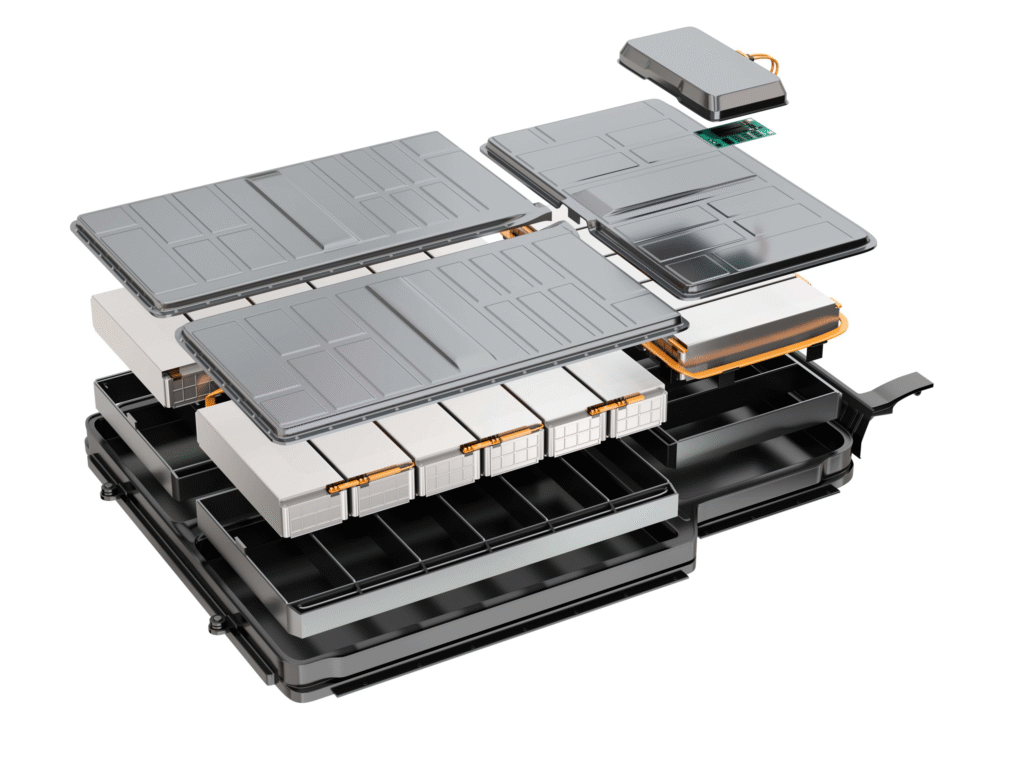
A battery pack is not just a cluster of cells. It is an integrated system where every piece has a job to do. Cells provide energy storage; busbars carry current; the Battery Management System (BMS) keeps operations safe; the cooling system prevents overheating; and the housing shields the whole structure from external stress. When these parts are engineered properly, the pack delivers consistent power, long life, and compliance with global standards. When they are not, risks of failure, fires, or rapid capacity fade rise sharply.
For companies sourcing packs or parts in April 2025, rising costs from Trump’s 20% tariffs on imports highlight the value of choosing Vietnamese suppliers. Vietnam’s aluminum sector remains competitive despite tariffs, offering cost-efficient production while maintaining high quality standards.
Electrochemical Cells: Core Battery Pack Components and Chemistries
At the heart of battery pack components are the cells. These cells come in three main formats: cylindrical, prismatic, and pouch.
- Cylindrical cells (e.g., 21700) are reliable and well-established in supply chains.
- Prismatic cells allow efficient packaging, popular with EV makers in Europe.
- Pouch cells are lightweight and flexible but demand strong external support.
Chemistry drives performance. Lithium Iron Phosphate (LFP) cells are safer and longer lasting, while Nickel Manganese Cobalt (NMC) cells offer higher energy density, vital for premium electric vehicles. Recent advancements, like Lithium Manganese Iron Phosphate (LMFP), balance energy density with cost savings, making them attractive in 2025 markets under cost pressure.
Inside each cell, the anode, cathode, separator, and electrolyte work together. Any weakness — a contaminated separator, an unstable electrolyte — can compromise the entire system. This is why sourcing from reputable suppliers is critical.
Modules and Sub-Packs: Grouping Battery Cells into Functional Units
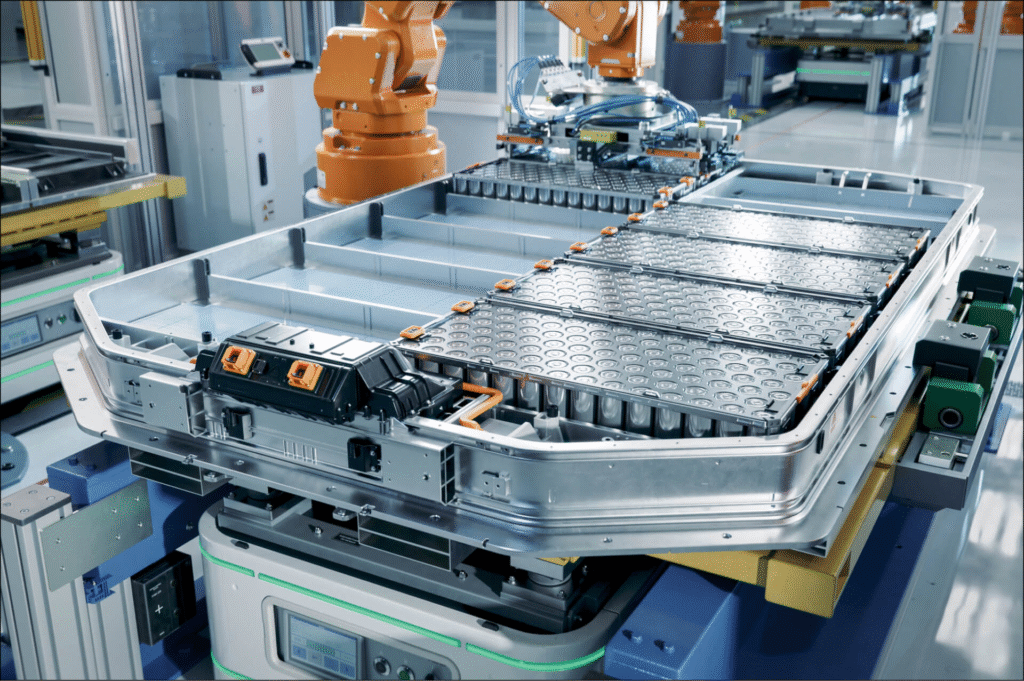
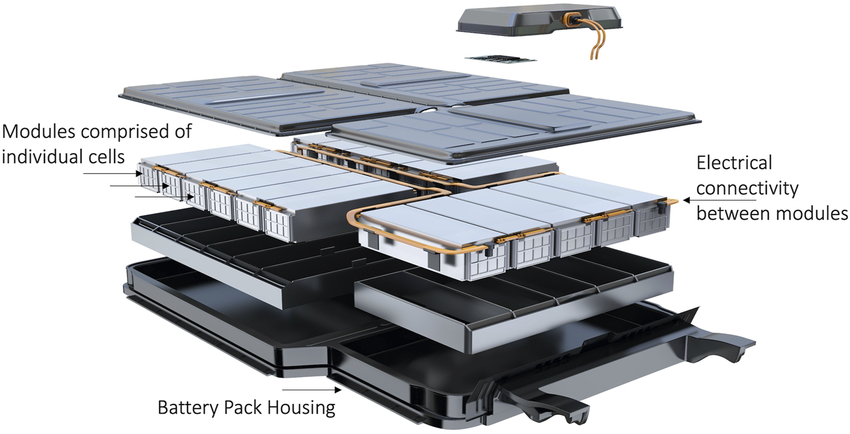
Cells are rarely used alone. They are grouped into modules or sub-packs, where series and parallel connections define voltage and capacity. The design of these modules influences heat generation, weight distribution, and safety.
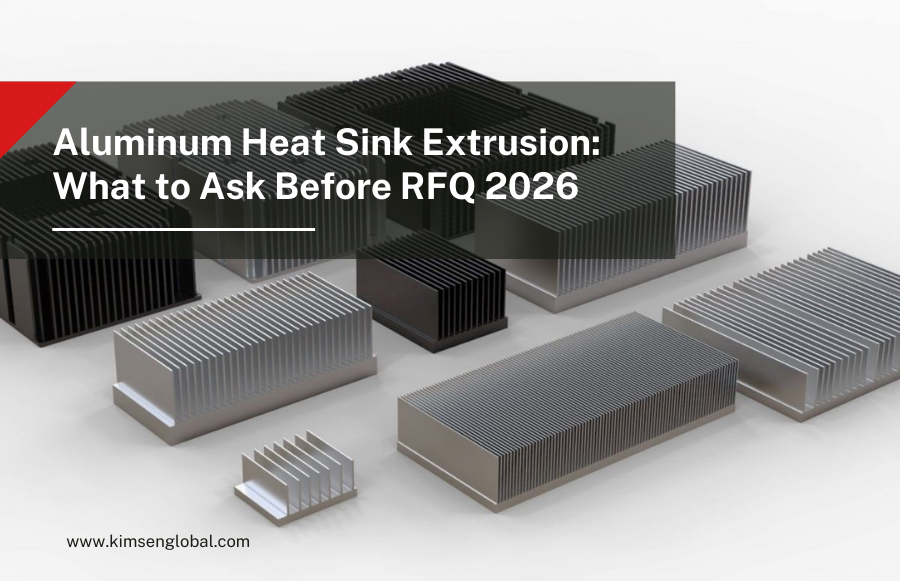
For instance, prismatic cells in modules may require aluminum supports for structural integrity. This is where extruded aluminum parts for battery pack structure become indispensable. They keep cells aligned, resist vibration, and provide surfaces for thermal management materials.
Electrical Interconnects: Busbars, Wiring, and High-Voltage Connectors
Without efficient electrical interconnects, the energy stored in cells cannot be used effectively. Busbars, welded tabs, and connectors form the pathways for current. High-voltage connectors must be insulated to prevent leakage and arcing. Copper is often used, but aluminum busbars are gaining attention due to lower cost and weight.
Safety here is not optional. Overcurrent protection devices such as fuses and breakers are embedded to prevent catastrophic failures during surges.
Battery Management System (BMS): Digital Oversight for Battery Pack Components
The BMS is often called the “brain” of the pack. It monitors voltage, temperature, and current for each cell or module. It balances charge levels, preventing one weak cell from dragging down the whole pack.
By 2025, more BMS designs integrate wireless communication, reducing wiring complexity and weight. The system also interfaces with external controllers, ensuring compliance with automotive or grid safety standards. For suppliers, showcasing BMS compatibility with pack enclosures is a selling point.
Thermal Management: Keeping Temperatures in Check
Battery cells perform best within a narrow temperature window. Heat is the enemy: it reduces lifespan and can trigger dangerous runaway reactions. Cooling strategies include:
- Air cooling, used in smaller packs.
- Liquid cooling, common in EV battery packs.
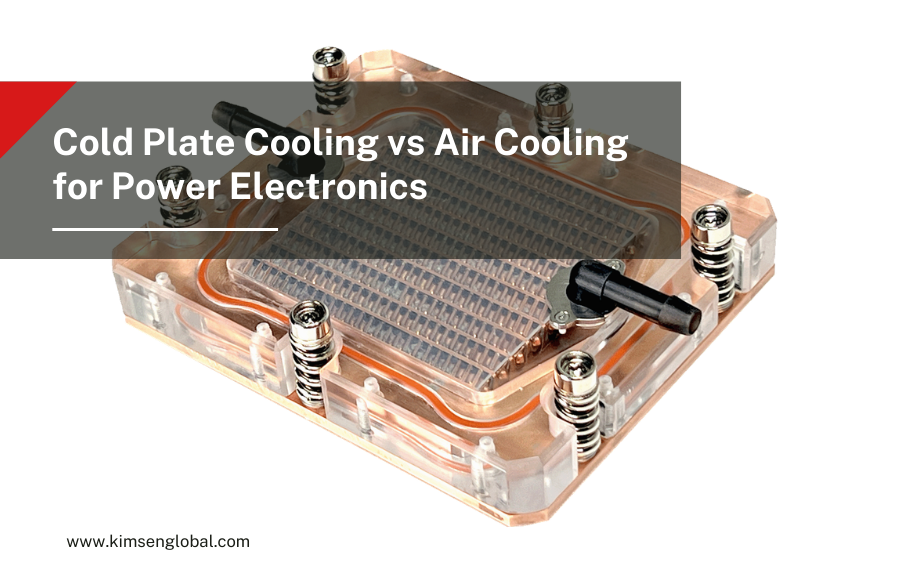
- Cold plates, often made with extruded aluminum, for efficient heat transfer.
KIMSEN Industrial Corporation excels in producing precision aluminum cooling plates and extrusions tailored for these systems. Their expertise allows buyers to integrate battery pack component functions explained with confidence, knowing that both thermal and structural needs are covered.
Mechanical Enclosure: Aluminum Extruded Frame for Battery Packs
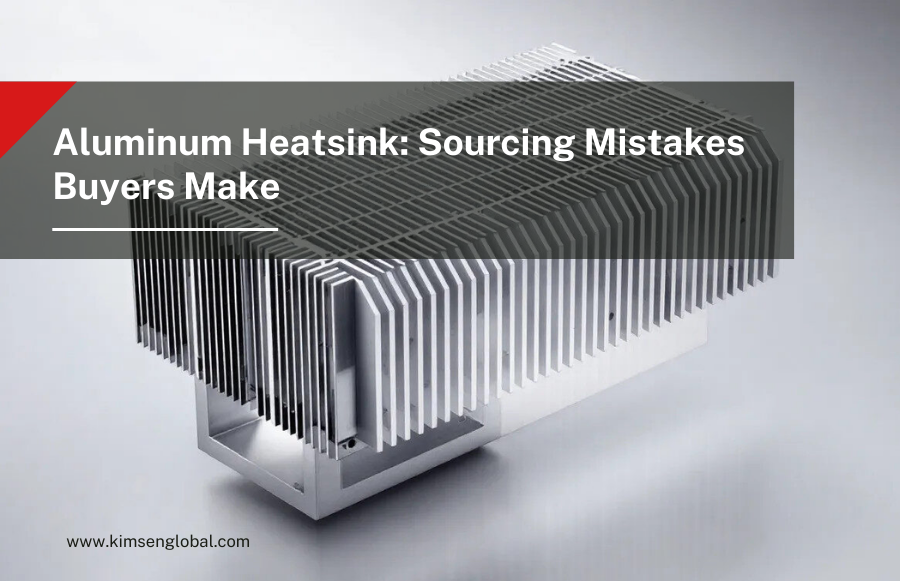
The enclosure is more than a box. It protects cells from dust, moisture, vibration, and crash impact. Here, aluminum extruded frame for battery packs offers significant advantages:
- High strength-to-weight ratio for better energy density.
- Excellent heat dissipation to aid thermal management.
- Resistance to corrosion, especially when anodized or powder coated.
KIMSEN Industrial Corporation leads Vietnam’s market in producing complex extrusions with tight tolerances. Their products are tailored for international buyers, ensuring compatibility with EV pack designs in both the US and EU.
Safety and Protection Devices in Battery Pack Components
Beyond the BMS, physical safety components are essential. Contactors disconnect packs in emergencies. Venting systems release gases safely. Flame-retardant barriers slow the spread of fires. With global regulations tightening in 2025, compliance with standards like UN 38.3 and IEC 62660 is non-negotiable.
Packaging, Adhesives, and Insulation
Insulating foams, adhesives, and sealants keep packs intact and isolated. These materials provide vibration damping and thermal barriers, critical in vehicles that encounter harsh roads. Fire-retardant epoxies are increasingly required in EU markets.
Communication and Control Interfaces
Modern packs must communicate with external systems, from EV drivetrains to smart grids. CAN bus and wireless BMS modules enable real-time monitoring. With the shift toward digital supply chains, buyers must ensure suppliers can integrate these protocols.
Emerging Battery Pack Design Trends in 2025
In 2025, two major trends dominate:
- Cell-to-Pack (CTP) architecture – Eliminates modules, saving space and weight, but requires stronger enclosures.
- Solid-state batteries – Still under development, but they will reshape thermal and enclosure designs in the near future.
Vietnamese suppliers like KIMSEN are already preparing by expanding machining capabilities and adopting advanced extrusion techniques.
Why Vietnam’s Extruded Aluminum Battery Pack Components Stand Out
Vietnam remains a strong sourcing destination despite trade turbulence. Extruded aluminum components balance cost efficiency with quality. KIMSEN Industrial Corporation, based in Bắc Ninh, provides:
- Custom extrusion designs for EV battery enclosures.
- Advanced machining for cold plates and thermal structures.
- International-standard quality systems and transparent workflows.
For US and EU buyers facing rising tariffs elsewhere, Vietnam offers supply chain stability and competitive pricing.
Maintenance, Serviceability, and End-of-Life Recycling of Battery Pack Components
Battery packs eventually degrade. Recyclability of aluminum extruded frames makes disassembly easier, supporting circular economy goals. EU directives in 2025 require higher recycling rates, making aluminum-based enclosures more appealing.
Conclusion
Battery packs are complex systems where every detail counts. From the choice of cells to the design of enclosures, each component shapes how the pack performs, how safe it is, and how long it lasts. For US and EU buyers navigating the uncertainties of tariffs and geopolitical disruptions in 2025, sourcing battery pack components from Vietnam provides both cost advantages and reliable quality.
Aluminum extrusions, especially when produced by experts like KIMSEN Industrial Corporation, are the backbone of safe, efficient, and lightweight battery pack structures. By partnering with capable suppliers, businesses can secure long-term performance, meet evolving regulations, and position themselves competitively in a rapidly changing energy market.
Read more: How EV Battery Manufacturers Tackle Supply Chain Challenges – KIMSEN Industrial Corporation