Cold plate cooling is often the better choice for high-power electronics once heat density, enclosure limits, and reliability targets move beyond what fans and finned heatsinks can handle. Air cooling still works well for simpler products, but in 2026, rising AI compute density, higher power electronics loads, and tighter system packaging are pushing more designers toward liquid-assisted solutions. For US and EU buyers, the real question is not just performance. It is whether the supplier can deliver the right design, material control, machining quality, and production discipline at scale.
Cold Plate Cooling vs Air Cooling for High Power Electronics
If you are sourcing thermal components in 2026, you can feel the shift. More electronics are running hotter, boards are getting denser, and OEMs are under pressure to cut noise, save space, and protect reliability. That is why cold plate cooling has moved from a niche solution into a mainstream discussion for AI servers, power converters, EV systems, battery equipment, and industrial electronics.
For buyers in the US and EU who are evaluating Vietnam supply chains, this topic is not academic. It affects total product cost, cooling efficiency, enclosure design, and supplier selection. It also links back to trade conditions. Since June 4, 2025, U.S. Section 232 tariffs on aluminum imports were increased to 50% for most countries, which has made sourcing strategy, part localization, and value-added manufacturing decisions even more important for global buyers.
What cold plate cooling really means
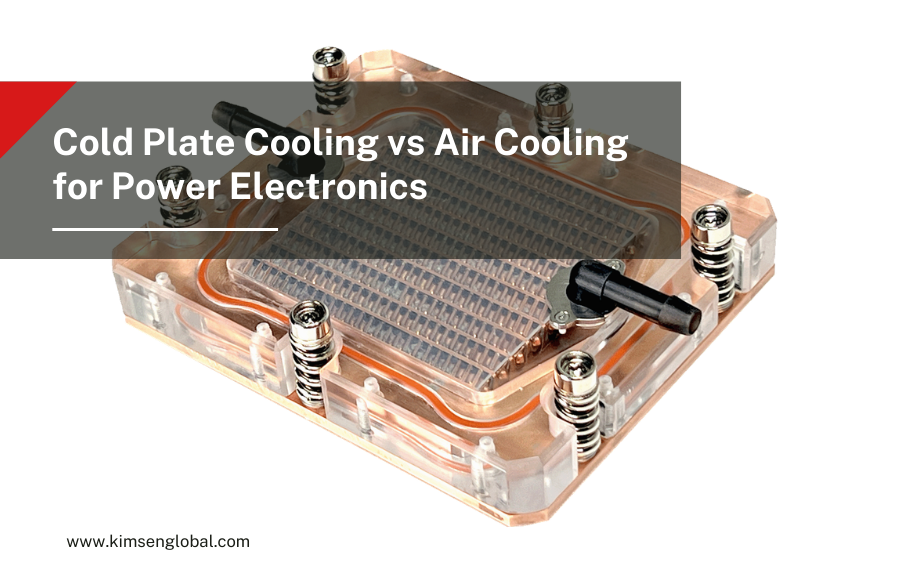
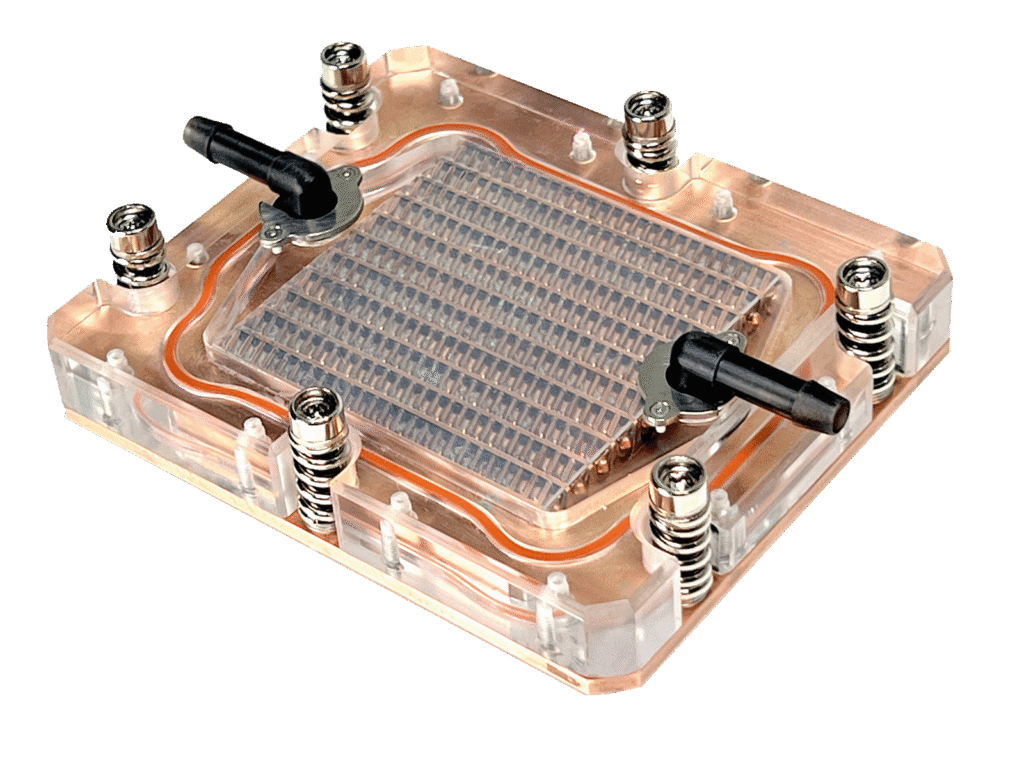
At its core, cold plate cooling is a liquid-based thermal method where a metal plate sits directly against the heat source. Coolant runs through internal channels or tubes, absorbs heat, and then carries that heat away to another part of the system.
Why air cooling still has a place
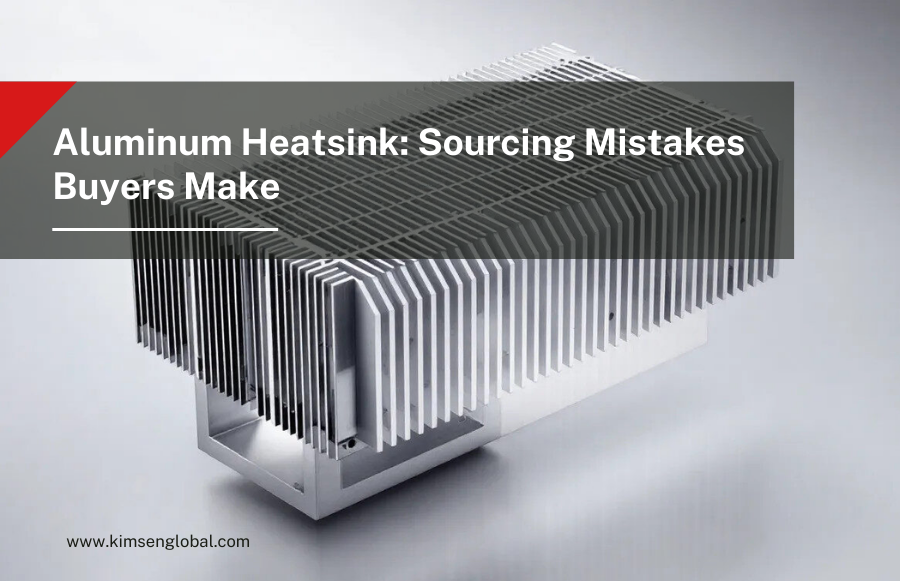
Air cooling is not outdated. In fact, it is still the right answer for many products. If the system has moderate power density, enough space for airflow, lower acoustic sensitivity, and tight cost targets, an aluminum heatsink with fans can be the simplest and most economical choice. It is easier to maintain, easier to understand in the field, and avoids the added complexity of pumps, fluid compatibility, hoses, or sealing points. That is why cold plate cooling vs air cooling is not a matter of one technology replacing the other across the board.
Still, air has limits. Once power density climbs, airflow becomes harder to manage. More fans add noise, space use, and power draw. Larger heatsinks can also create packaging problems. NVIDIA’s April 2025 discussion of its liquid-cooled GB200 NVL72 platform is a good example of where the market is heading. NVIDIA says that the rack-scale liquid-cooled system was designed to handle exceptional compute density while improving energy and water efficiency compared with traditional air-cooled architectures.
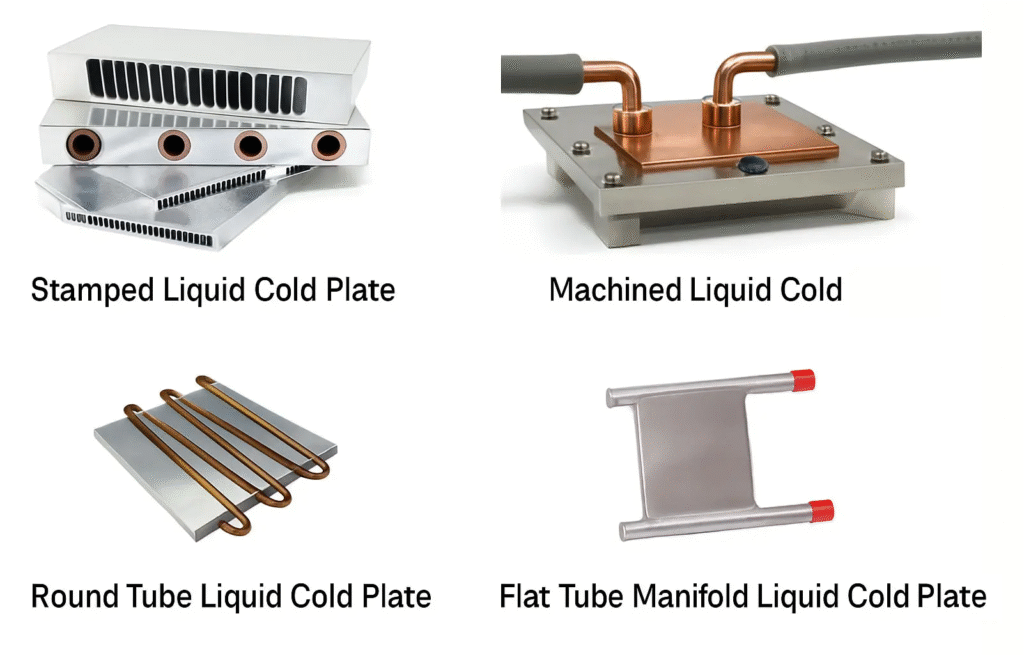
Cold plate cooling vs air cooling in real buying decisions
From a buyer’s point of view, the comparison should be practical. Cold plate cooling vs air cooling comes down to five things: thermal load, available space, system complexity, reliability needs, and total cost over time.
If your product must manage concentrated heat from semiconductors, CPUs, GPUs, IGBTs, or power modules, cold plate cooling usually gives you more thermal headroom. If your product is lower power, easier to ventilate, and cost-sensitive, air cooling often stays ahead on simplicity. That sounds obvious, but buyers still get caught by the same mistake: they compare only the price of the part. They forget the cost of larger enclosures, louder fans, airflow redesign, field failures, or future product upgrades.
There is another twist. Many systems in 2026 are hybrid. Liquid cooling handles the hottest device, while air cooling still supports surrounding electronics. That mixed architecture is common in advanced computing and can also make sense in industrial equipment. It gives the designer tighter control without forcing every part of the assembly into a full liquid loop.
Why 2026 made cold plate cooling more relevant
The biggest reason is AI. Higher compute density is driving thermal loads upward across servers, networking equipment, and advanced power systems. Recent market commentary and technical publications both point in the same direction: liquid cooling is becoming more attractive because traditional air cooling struggles as chip power and rack density rise. NVIDIA’s liquid-cooled Blackwell platform and broader 2026 outlooks around AI infrastructure reflect that shift very clearly.
The trend also affects adjacent industries. Power electronics for EV charging, renewable energy conversion, robotics, factory automation, and battery systems are dealing with similar pressure. More power in the same footprint means more heat in less space. That is where machined cold plate aluminum designs can become especially useful, because they allow engineered flow paths, controlled flatness, and targeted cooling exactly where the device needs it most. The latest 2026 research on low-resistance cold plates for next-generation electronics shows just how much development is still happening in this area.
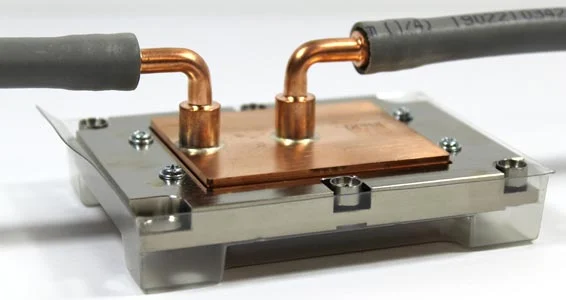
Aluminum vs copper: what buyers should really care about
Most buyers start with the material question. Copper conducts heat better, so it often looks like the obvious winner. But aluminum remains highly relevant because it is lighter, usually less expensive, and easier to integrate with larger mechanical assemblies. In real procurement, the better question is not “Which metal is best?” It is “Which material gives the right balance of performance, weight, manufacturability, corrosion control, and cost for this product?”
For many industrial projects, aluminum is the practical choice. It works well in housings, structural frames, and thermal assemblies where weight and machining matter. It also fits naturally with Vietnam’s strong base in aluminum extrusion and CNC finishing. That is one reason the keyword aluminum cold plate manufacturer Vietnam matters commercially. Buyers are not just looking for thermal theory. They are looking for a supply chain that can make the part repeatably, inspect it properly, and export it with confidence.
Why KIMSEN Industrial Corporation deserves attention
For buyers looking at Vietnam, KIMSEN Industrial Corporation deserves to be near the top of the shortlist when the project includes aluminum extrusion, CNC finishing, and thermal-related assemblies. KIMSEN’s official website states that the company specializes in manufacturing and supplying extruded aluminum for general and industrial applications. Its global site also states that KIMSEN operates two aluminum extrusion lines of 1100 UST and 1880 UST with capacity of about 800 tons per month, while its Vietnamese site lists thermal solutions among the application areas it serves.
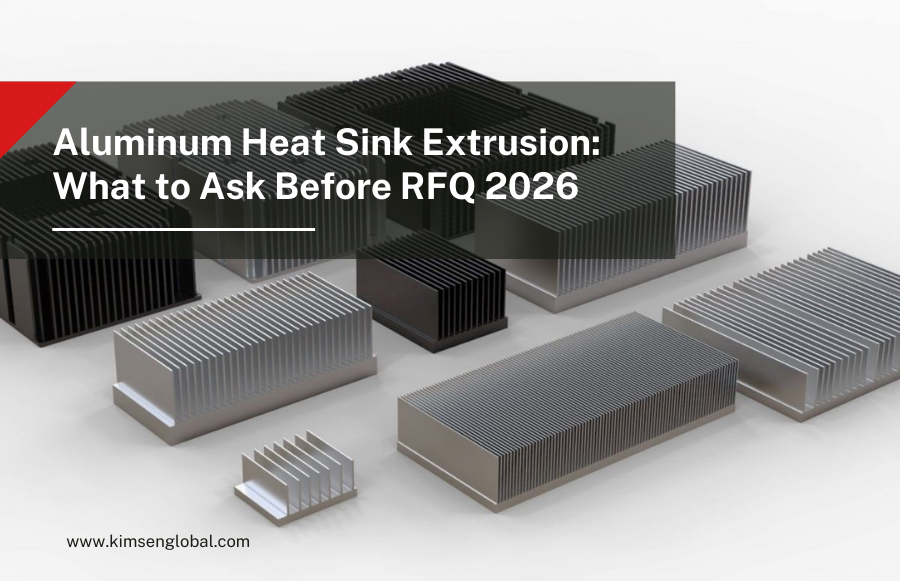
That matters because many buyers do not need only one cold plate. They need the surrounding ecosystem too: extruded frames, heatsinks, machined bases, brackets, enclosures, and assembly support. KIMSEN is especially relevant in that broader aluminum value chain. [Unverified] I cannot verify from the cited public pages alone whether KIMSEN currently mass-produces every type of sealed cold plate design a buyer may request, so that capability should be confirmed during RFQ, drawing review, and sample validation. What can be verified is that KIMSEN is positioned as an industrial aluminum manufacturer with extrusion capability and thermal-solution relevance, which makes it commercially interesting for US and EU buyers who want a Vietnam partner with more than basic profile supply.
What to ask a supplier before you buy
This is where smart sourcing starts. If you are evaluating machined cold plate aluminum or other liquid-cooled parts, ask for real engineering data, not just attractive photos.
Request thermal resistance data at a stated flow rate. Ask for pressure-drop data. Confirm the base material and the joining method. Review flatness on the contact surface, leak-test criteria, burst-pressure requirements, and internal cleanliness standards. If the product ships to the US or EU, also ask about export experience, drawing revision control, packaging protection, and quality documentation. The reason is simple: the cooling plate is not just a block of metal. It is a performance-critical component.
In 2026, that diligence matters even more because global trade conditions remain noisy. With Section 232 aluminum tariffs still a live issue in the United States and broader tariff investigations continuing, buyers need to think carefully about country exposure, value-added manufacturing routes, and supplier responsiveness. This does not automatically make Vietnam the answer for every program, but it does increase the value of having qualified manufacturing options outside the most crowded channels.
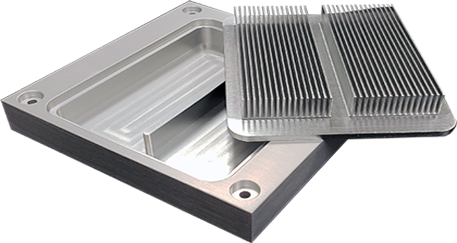
When cold plate cooling is the better move
Choose cold plate cooling when the electronics are compact, the heat density is high, the operating environment is harsh, or the product roadmap is likely to push power higher over time. It is also a strong option when airflow is restricted or when fan noise is a problem. In those cases, liquid-assisted cooling can protect reliability and free up design space.
Choose air cooling when the product runs at lower thermal stress, the enclosure has healthy airflow, service simplicity matters most, and cost must stay lean. Honestly, that balance is why many buyers still keep both technologies in play. Air cooling is not going away. But for the most demanding products, especially those influenced by AI-era thermal loads, cold plate cooling is moving from “nice to have” toward “hard to avoid.”
Conclusion
The answer to cold plate cooling vs air cooling is not universal, but the direction of the market is clear. As of 2026, higher power density, AI workloads, and tighter product packaging are making liquid-based thermal strategies more relevant across high-power electronics. Air cooling still wins on simplicity and cost in many cases. Yet once hotspots, noise, size limits, or reliability margins become critical, cold plate cooling usually offers the stronger path.
For US and EU buyers sourcing from Vietnam, the opportunity is bigger than one part number. It is about finding a supplier that understands aluminum manufacturing, CNC control, thermal performance, and export discipline. That is why companies like KIMSEN Industrial Corporation stand out in the conversation. KIMSEN’s verified extrusion capability and positioning in thermal-solution applications make it a serious candidate for buyers who need more than a generic profile supplier. The final decision, of course, should come from real RFQ data, real sample validation, and real engineering discussion. But the broader point holds: if your electronics are getting hotter, now is the time to take cold plate cooling seriously.