Aluminum has become the backbone of modern vehicle design—whether it’s a battery tray for an EV or a precision-machined engine housing. And here’s the takeaway: automotive aluminum components are not just lightweight stand-ins for steel anymore—they’re performance enhancers, cost savers, and the reason many cars meet emissions standards in 2025. With growing demand for EVs and tighter global regulations, suppliers like KIMSEN Industrial Corporation in Vietnam are stepping in to meet a booming need for precision, compliance, and scale.
Why Aluminum Is a Game-Changer in Automotive Design
Aluminum isn’t new to automotive, but its role has grown dramatically over the last decade. Now, with EU emissions rules tightening and the return of Trump-era tariffs looming in the U.S., OEMs and Tier 1 suppliers are doubling down on lighter, more adaptable materials.
Weight Reduction and Efficiency Gains
A kilogram saved is a step closer to better fuel economy. Automakers now rely on lightweight automotive aluminum components—like extruded side beams and suspension arms—to hit targets without sacrificing safety. In fact, switching from steel to aluminum in car bodies can reduce weight by up to 40%.
Corrosion Resistance in Tough Environments
Whether it’s road salt in Northern Europe or humid highways in Florida, aluminum’s natural resistance to rust keeps maintenance costs down over time. It also means fewer recalls for corrosion-prone parts.
Aluminum Is Infinitely Recyclable
Circular manufacturing is more than a trend in 2025—it’s a requirement. Aluminum retains its properties even after multiple recycling cycles, helping automakers meet carbon reduction goals without changing material sources.
>> Read more: Top Aluminum Automotive Parts for Global Buyers
Key Automotive Aluminum Components by System
Let’s break it down by system. Here’s where aluminum is doing the heavy lifting:
Body and Exterior: Where Form Meets Function
-
- Hoods, roofs, and fenders use 6000-series aluminum for its perfect blend of strength and formability.
-
- Side impact beams are now often extruded aluminum profiles for their crash energy absorption.
For brands aiming to market a “green” car, using visible aluminum panels signals sustainability.
Powertrain: Taking the Heat, Literally
-
- Engine blocks, especially for hybrids, use high-silicon cast aluminum for heat resistance.
-
- Oil pans and cylinder heads rely on alloys like 319 or 356 for thermal stability and machinability.
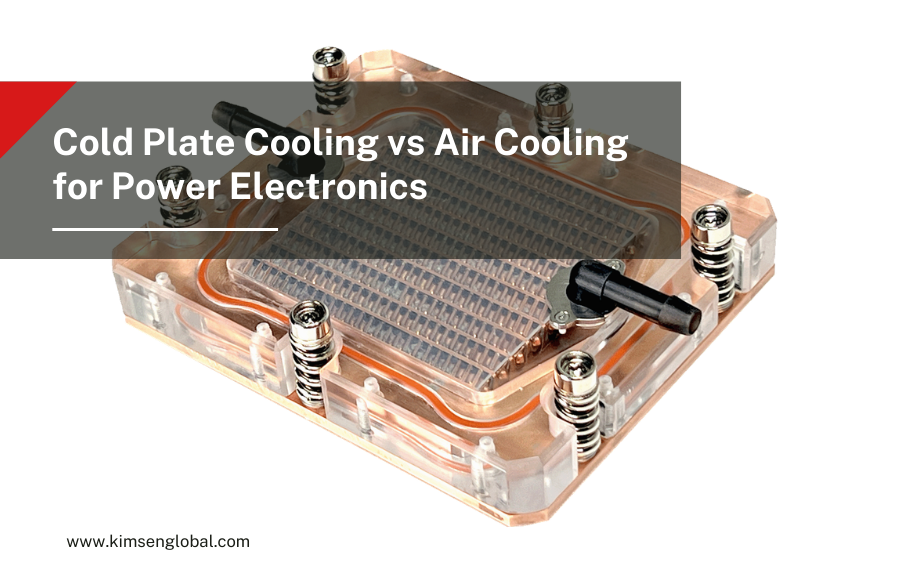
In high-performance or luxury EVs, battery-cooling plates made of aluminum extrusions are now standard.
Chassis and Suspension: Strength Without the Bulk
-
- Control arms and subframes made from extruded 6082 or 7075 aluminum offer both stiffness and weight savings.
-
- Crossmembers and knuckles improve driving dynamics without adding mass.
Suspension systems, especially in European sports models, have shifted toward aluminum for better cornering and ride quality.
Thermal Management Systems: Keep It Cool
-
- Radiator cores and intercoolers are often made from aluminum sheets and tubes to conduct heat effectively.
-
- Heat shields for exhausts and turbos are stamped from thin-gauge aluminum for lightweight protection.
With battery systems heating under load, cooling with aluminum is no longer optional—it’s mandatory.
Battery Enclosure: EV’s Core Needs Protection
Here’s where battery enclosure aluminum extrusion comes in. Aluminum’s high thermal conductivity and rigidity make it ideal for EV pack housings. Profiles are designed with integrated cooling channels and crash resistance in mind.
In April 2025, Tesla and BYD announced new packs using 6061 extrusions with CNC-machined rail connections to enhance energy dispersion and reduce fire risk.
Choosing the Right Alloys for Each Component
Not all aluminum is created equal. The right alloy depends on function, form, and manufacturing method.
-
- 6061: A jack-of-all-trades alloy used in extrusions for structural parts and battery housings.
-
- 7075: Ultra-strong, ideal for safety-critical chassis components.
-
- 5083: Often used in panels and marine-grade enclosures due to corrosion resistance.
These alloys must balance strength-to-weight ratio, weldability, and resistance to fatigue—especially in moving parts.
How Components Are Made: From Billet to Road-Ready
Automotive aluminum parts undergo a series of tightly controlled processes:
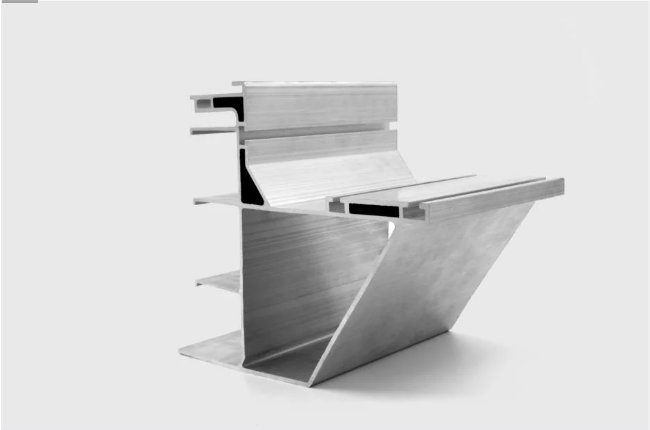
Extrusion
This is the most common method for lightweight automotive aluminum components, where billets are forced through a shaped die. Think battery rails, chassis beams, and bumper supports.
Machining & CNC Finishing
Parts like brackets and sensor housings get their final shape through 3- or 5-axis CNC machining.
Welding & Bonding
Automakers are increasingly using friction stir welding for stronger joins, especially in battery enclosures.
Surface Finishing
Anodizing, e-coating, or powder coating boosts corrosion resistance and appearance—particularly important for visible parts.
Sourcing Automotive Aluminum Components in Vietnam
With geopolitical tensions and costs rising globally, Vietnam has emerged as a smart destination for outsourcing aluminum parts.
Why Vietnam?
-
- Competitive labor costs without compromising skill or quality.
-
- FTA access to EU & US markets (e.g., EVFTA, CPTPP), reducing duties.
-
- Stable supply chains compared to China, where energy restrictions in 2024 slowed aluminum output.
KIMSEN Industrial Corporation: The Leader You Should Know
When it comes to automotive aluminum components, KIMSEN Industrial Corporation stands out. Based in Bắc Ninh, KIMSEN offers:
-
- Over 12 years of experience in aluminum extrusion and CNC machining for automotive and industrial clients
-
- Production certified to ISO 9001:2015 and IATF 16949:2016 standards
-
- Specialization in battery enclosure aluminum extrusion, heat sinks, and structural chassis parts
-
- Integrated production: extrusion, machining, surface treatment—all under one roof for full control and traceability
Many EU and US clients now rely on KIMSEN not just for quality but also supply stability during crises like the Russia-Ukraine war or tariff turbulence.
Regulations, EV Trends, and 2025 Outlook
In 2025, two things dominate the automotive material conversation: decarbonization mandates and EV acceleration.
-
- EU Green Deal compliance requires a steep reduction in lifecycle emissions—aluminum helps reduce weight and allows for high recyclability.
-
- U.S. CAFE standards and potential return of Trump tariffs push automakers to look for cost-effective material sourcing outside China.
-
- OEMs like BMW, Ford, and Hyundai are all expanding their aluminum usage, especially for EV platforms.
Key Takeaways
-
- Automotive aluminum components are essential for modern vehicles, especially EVs.
-
- Parts like battery enclosures, chassis beams, and engine blocks are increasingly made from extruded or cast aluminum.
-
- Vietnam—especially KIMSEN Industrial Corporation—is becoming a preferred supplier for high-precision aluminum parts.
-
- The choice of alloy (6061, 6082) depends on function and performance needs.
-
- Regulatory and economic trends in 2025 make aluminum a smart, future-proof material.
Conclusion: Why It Matters Now
If you’re sourcing vehicle parts today, aluminum isn’t just a materials choice—it’s a business strategy. With automakers prioritizing weight savings and sustainability, and regulations like Euro 7 on the horizon, automotive aluminum components are critical to hitting goals and staying competitive.
Vietnam is now a sourcing powerhouse, and companies like KIMSEN Industrial Corporation offer not only cost efficiency but also world-class manufacturing and compliance. As 2025 moves forward, those who align with capable aluminum partners will stay ahead of the curve.